World · India Bureau
Finland converts defunct oil storage into renewable energy heat battery
Helsinki is repurposing abandoned underground oil caverns as a massive thermal storage facility to support the city's transition to renewable heating. The innovative project demonstrates how existing infrastructure can be adapted to support Europe's clean energy goals.
LSN India ·
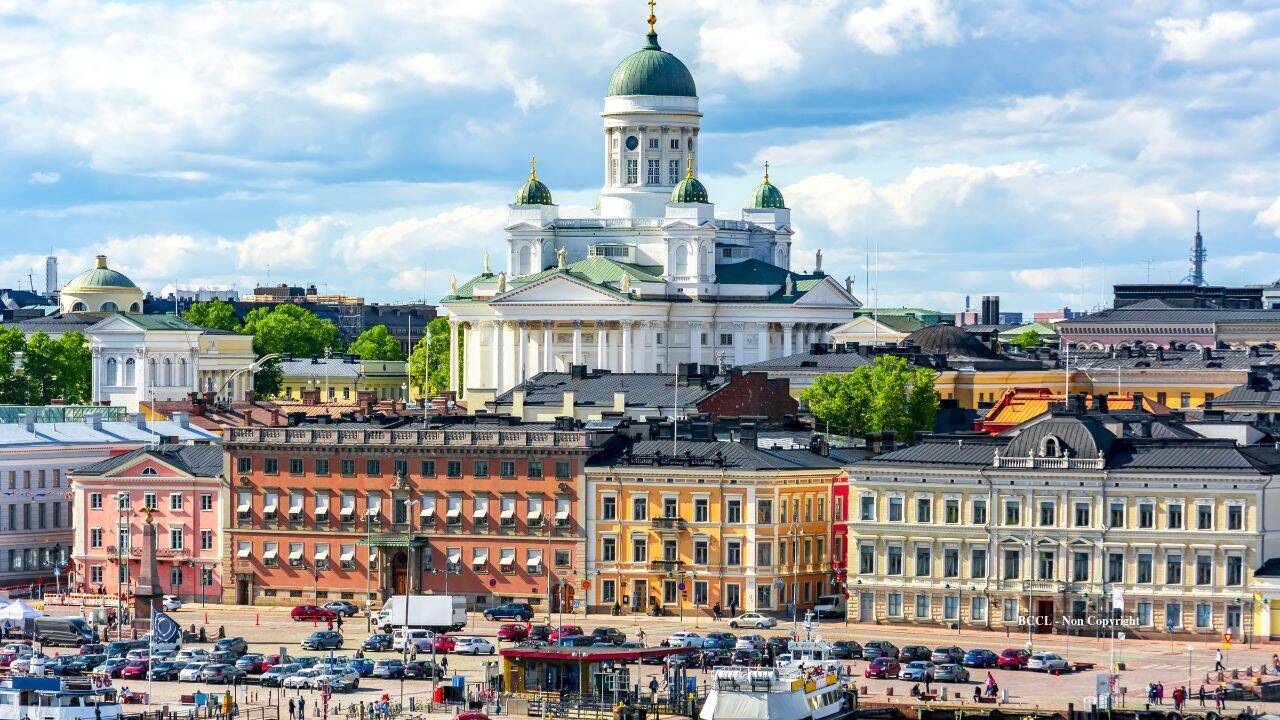
Helsinki authorities have unveiled plans to transform decommissioned oil storage caverns into a large-scale underground heat battery, marking a significant step in the Finnish capital's shift toward sustainable energy. The project leverages existing underground chambers that once stored petroleum products, converting them into thermal storage units capable of capturing and releasing heat based on demand.
The heat battery system operates by storing thermal energy during periods of excess renewable energy generation or lower demand, then releasing it when needed to supply district heating networks across the city. This approach allows Helsinki to better integrate variable renewable energy sources such as wind and solar power while maintaining reliable heat supply to residents and businesses throughout the year.
District heating remains a dominant heating method in Nordic cities, with Helsinki's network serving a large portion of the metropolitan area. By incorporating thermal storage capacity, the city can reduce dependence on fossil fuel backup systems and smooth fluctuations in renewable energy availability.
The project reflects growing interest across northern Europe in innovative storage solutions to support decarbonization goals. Several Scandinavian cities have begun exploring similar thermal storage technologies as part of broader strategies to phase out coal and oil-based heating while maximizing the efficiency of renewable energy infrastructure.
Official timelines for full implementation of the underground heat battery system have not been detailed, though the project is expected to contribute meaningfully to Helsinki's climate neutrality targets and serve as a potential model for other European cities seeking creative solutions to energy storage challenges.