World · India Bureau
Finland's expanding coastline creates legal ownership puzzle
As Finland's coast expands by thousands of acres annually due to natural geological processes, property owners face uncertainty over rights to newly emerged land. The phenomenon, while scientifically remarkable, has created complex legal questions about land ownership and development.
LSN India ·
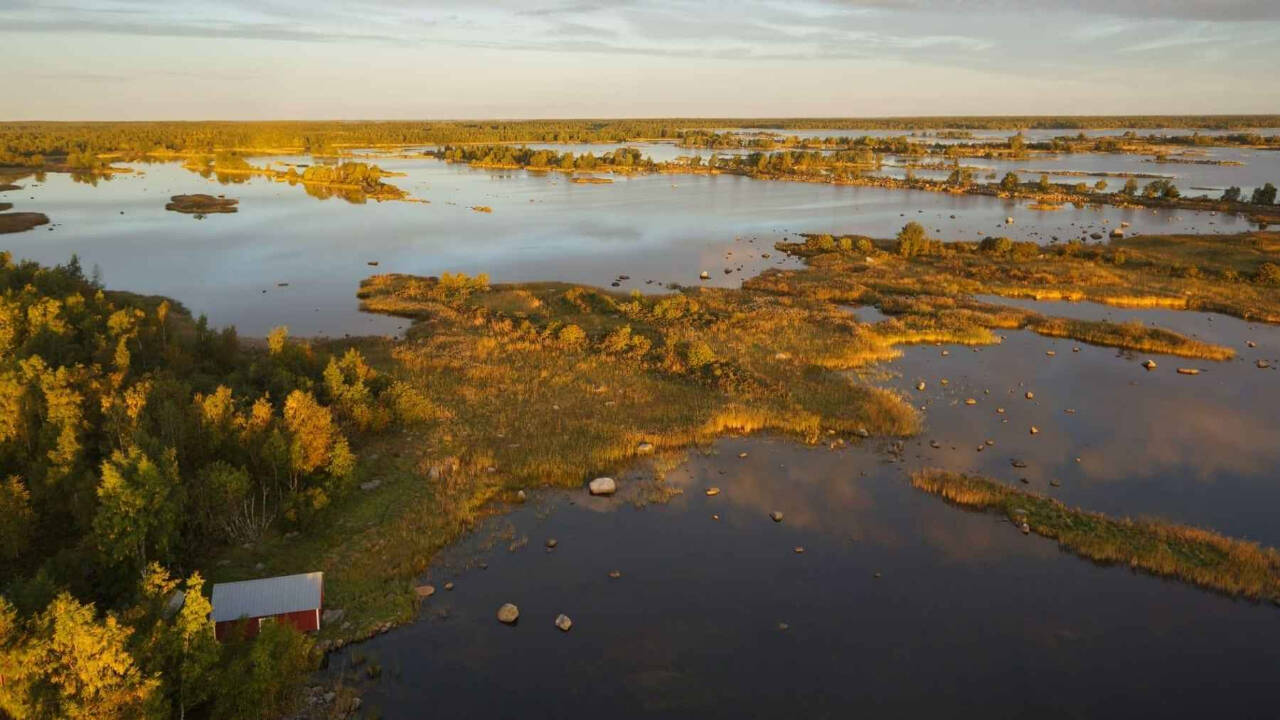
Finland experiences one of the world's most dramatic coastal expansions, with approximately 1,730 acres of new land emerging from the sea each year. This geological process, known as post-glacial isostatic rebound, occurs as the Earth's crust continues to rise following the retreat of ice age glaciers thousands of years ago. The phenomenon is particularly pronounced along Finland's western and northern coastlines, where the land is rebounding at a rate of nearly one centimetre annually.
While the expanding shoreline might seem advantageous for property owners seeking additional territory, Finnish law creates significant complications. Newly emerged land does not automatically transfer to adjacent landowners, even if it directly borders their properties. Instead, the state often retains ownership rights to these newly formed areas, limiting individual proprietors' ability to develop or utilize the additional land.
This legal framework reflects Finland's approach to managing natural resources and coastal development. The government has implemented regulations to balance environmental preservation with property rights, particularly given the ecological sensitivity of newly emerged coastal zones. Environmental considerations, including the establishment of new habitats and wetlands, influence how these areas are managed and whether they eventually become available for private use.
The situation underscores a broader challenge facing Nordic countries experiencing similar geological phenomena. As climate change and land reformation continue reshaping coastlines globally, nations are grappling with how to address property rights in areas of natural expansion while maintaining environmental standards and public access to coastal resources.