World · India Bureau
Fire activity surges in Eastern Ghats, Central India while declining in West
A comprehensive study spanning over two decades has found a significant divergence in forest fire patterns across India's protected reserves, with blazes increasing in eastern and central regions while decreasing in western mountain zones.
LSN India ·
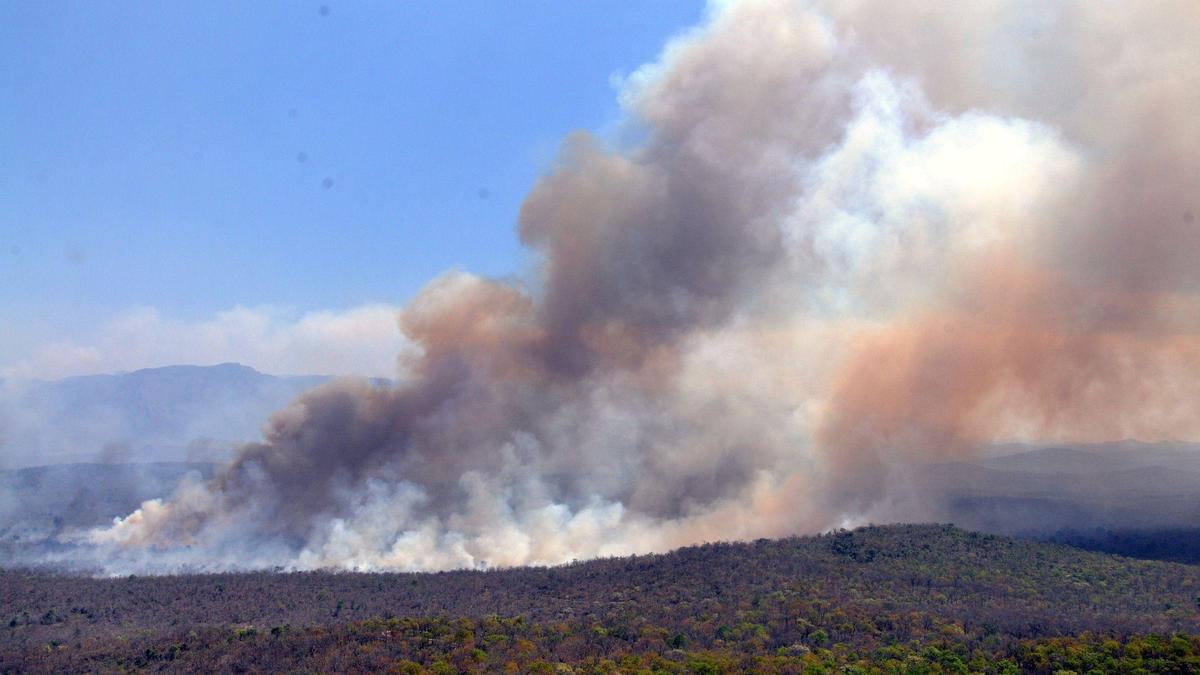
Research analysing fire activity across 13 wildlife reserves over the past 20 years has revealed contrasting trends in forest fire incidents across India's major geographical zones. The study documents approximately 16,667 square kilometers of forest area burned during this period, highlighting the scale of fire-related destruction in the country's protected ecosystems.
The findings indicate that Eastern Ghats and Central Indian reserves experienced heightened fire activity, suggesting shifting patterns in forest fire occurrence that may reflect changes in climatic conditions, vegetation patterns, or fire management practices. In contrast, the Western Ghats—a biodiversity hotspot spanning multiple states—showed a declining trend in fire incidents during the same timeframe.
The research underscores the complex nature of forest fire dynamics across India's diverse ecosystems. Notably, several reserve areas experienced multiple fire incidents, indicating that some zones face recurrent burning cycles that could have cascading effects on flora, fauna, and the overall ecological health of these protected areas.
The divergent patterns across regions suggest that a one-size-fits-all approach to fire management may be insufficient. Wildlife managers and conservation authorities may need to tailor their fire prevention and response strategies to account for regional variations, while also investigating the underlying factors driving increased fire activity in the Eastern Ghats and Central India to better protect these ecologically significant reserves.