World · India Bureau
Firecrackers account for nearly three-quarters of Delhi's Diwali air pollution
A new study has found that firecrackers were responsible for 71% of fine particulate matter pollution in Delhi on Diwali night, significantly exceeding pollution levels recorded on preceding days.
LSN India ·
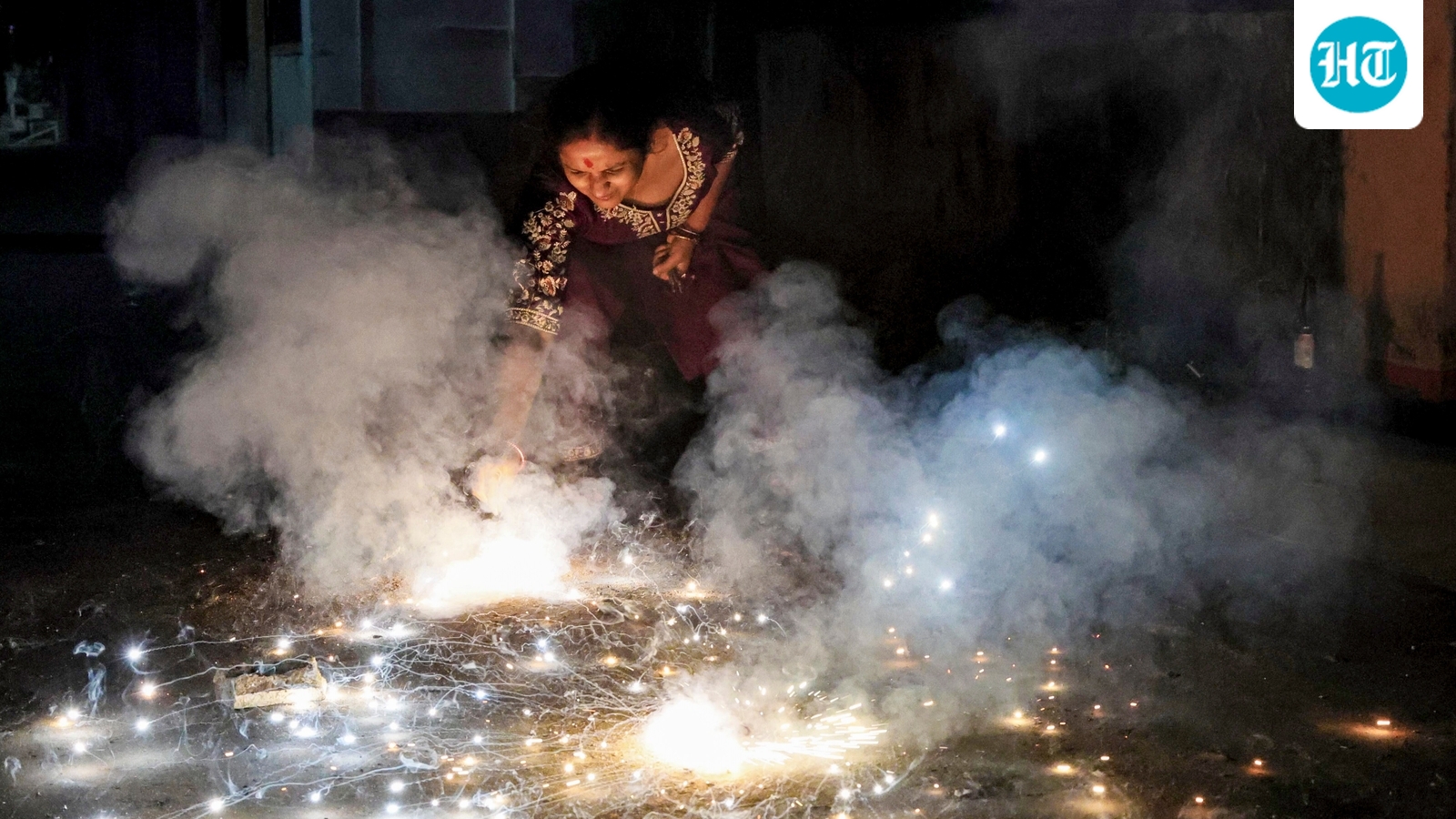
Research into air quality during India's major festival has quantified the substantial impact of firecracker emissions on Delhi's already-strained atmosphere. The study examined PM2.5 concentrations—tiny particles that penetrate deep into the lungs—and found a marked spike attributable to celebratory pyrotechnics on the festival night compared to baseline measurements from surrounding days.
The findings underscore the sharp deterioration in air quality that occurs annually during Diwali celebrations across northern India. Delhi, already struggling with severe air pollution from vehicle emissions, industrial sources, and crop burning, experiences acute respiratory challenges during the festival period when residents traditionally set off large quantities of firecrackers.
PM2.5 particles pose significant health risks, particularly for children, the elderly, and those with respiratory conditions. The seasonal worsening of air quality during Diwali has prompted ongoing public health concerns and calls for stricter regulation of firecracker sales and use in major urban centres.
The research adds to growing evidence supporting calls for pollution control measures during festival seasons. Several Indian states and cities have implemented partial or complete firecracker bans in recent years, though enforcement remains inconsistent. Environmental experts continue to advocate for greater awareness about the health impacts of fireworks-related pollution during celebrations.