World · India Bureau
Firecrackers drove nearly three-quarters of Delhi's Diwali air pollution
A new analysis shows firecrackers were responsible for 71% of hazardous PM2.5 pollution recorded in Delhi on Diwali night, with winter weather patterns trapping pollutants over the city.
LSN India ·
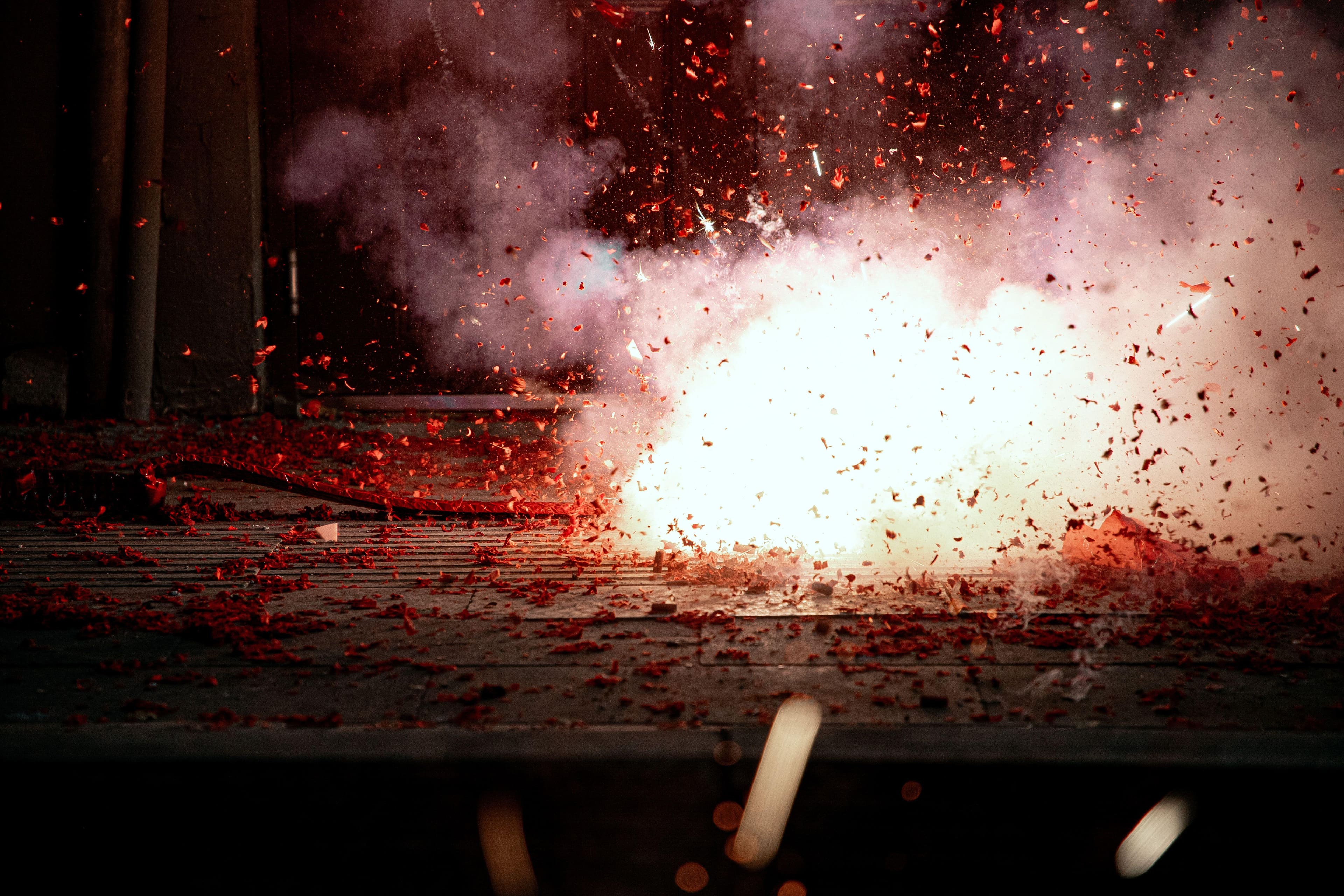
Delhi experienced severe air quality deterioration following Diwali celebrations, with firecracker emissions emerging as the dominant source of fine particulate matter pollution, according to findings from the Indian Institute of Tropical Meteorology (IITM).
Research by the institute attributed nearly three-quarters of the measured PM2.5 concentration to firecrackers burst during Diwali festivities. The spike in hazardous pollutants coincided with unfavorable meteorological conditions that restricted the natural dispersal of airborne particles over the capital region.
Winter atmospheric conditions, characterized by temperature inversions and reduced wind speeds, created a stagnant air mass over Delhi. These weather patterns prevented pollutants from dispersing upward and outward, instead trapping them close to ground level where residents are exposed to the highest concentrations.
The findings underscore the significant contribution of festival-related firecracker usage to Delhi's seasonal air quality crisis. Environmental experts have long identified the period following Diwali as particularly critical, with pollution levels often reaching hazardous levels across the National Capital Region during winter months when meteorological conditions are least favorable for pollutant dispersal.
The data adds to ongoing discussions around regulating firecracker usage during festival seasons as a measure to mitigate the sharp deterioration in air quality experienced annually in north India.