World · India Bureau
Firecrackers emerge as Delhi's primary pollution driver post-Deepavali
Researchers have identified firecrackers as the dominant contributor to air pollution levels in Delhi during the Deepavali festival period. The spike in pollution from firecracker emissions peaked on November 9, the day following the celebrations.
LSN India ·
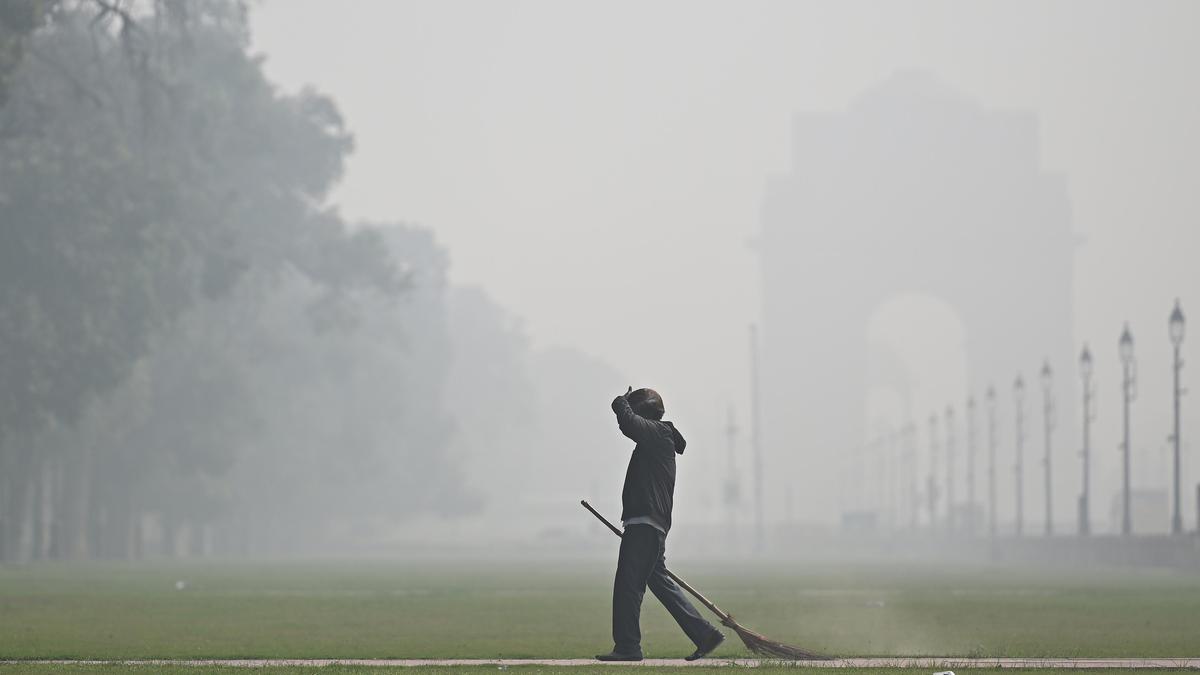
Air quality modelling studies conducted by the Indian Institute of Tropical Meteorology have revealed the substantial impact of firecrackers on Delhi's pollution levels during the Deepavali festival season. According to the IITM's atmospheric analysis, firecracker-related emissions constituted a significantly elevated proportion of the city's overall pollution on November 9, marking the day after Deepavali festivities.
The research indicates that firecracker contributions to particulate matter and gaseous pollutants remained substantially elevated throughout the immediate post-festival period. The modelling data showed a noticeable decline in firecracker-related pollution inputs by November 11, suggesting a direct correlation between festival activities and air quality degradation.
The findings underscore the recurring challenge Delhi faces during major festival celebrations, where traditional firecracker usage combines with existing vehicular and industrial emissions to create hazardous air quality conditions. The concentration of pollutants during festival periods often pushes the national capital into the "severe" air quality category, prompting health advisories from authorities.
The IITM study adds to growing evidence linking festival-season firecracker usage to measurable increases in harmful particulates and pollutants. Environmental scientists have continued to stress the need for awareness campaigns and regulatory measures to mitigate the impact of festive celebrations on urban air quality across major Indian cities.