World · India Bureau
Firecrackers emerge as major culprit in Delhi's post-Diwali air crisis
A new analysis reveals that firecrackers were responsible for over 70 percent of hazardous particulate pollution in Delhi the day after Diwali celebrations, vastly outweighing contributions from vehicle emissions.
LSN India ·
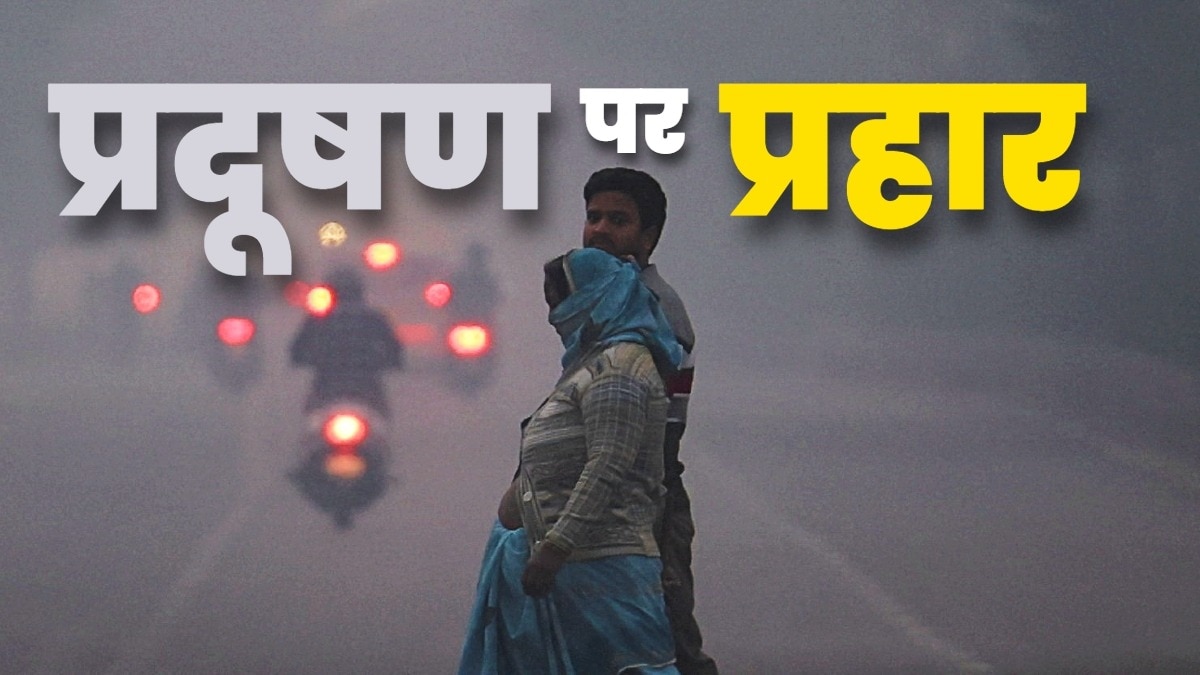
Firecracker emissions emerged as the dominant source of air pollution in Delhi following Diwali festivities, according to findings from the Indian Institute of Tropical Meteorology (IITM). The research indicated that crackers accounted for 71.1 percent of PM2.5 pollution levels recorded the day after the festival, establishing them as the primary driver of the capital's deteriorating air quality during the post-Diwali period.
In comparison, vehicular pollution contributed approximately 6.9 percent to the hazardous particulate matter concentrations measured during the same timeframe. The findings suggest a significant disparity between the pollution impacts of celebratory activities and routine transportation emissions.
The IITM analysis provides quantitative evidence to the annual debate surrounding Delhi's air quality crisis during the festival season. The data underscores the acute nature of pollution spikes tied to Diwali celebrations, even as the capital battles year-round air quality challenges from multiple sources. Environmental experts have long flagged the seasonal surge in pollution following the festival as a critical public health concern affecting millions of residents across the National Capital Region.
The research adds to growing calls for stricter regulation of firecracker manufacturing and usage during festival periods, as authorities seek to balance cultural traditions with air quality imperatives in one of the world's most polluted cities.