World · India Bureau
Firozpur's evolving legacy: from colonial battleground to political arena
The Punjab border city of Firozpur has witnessed transformative chapters across India's independence struggle and post-colonial political landscape, shaping regional and national narratives.
LSN India ·
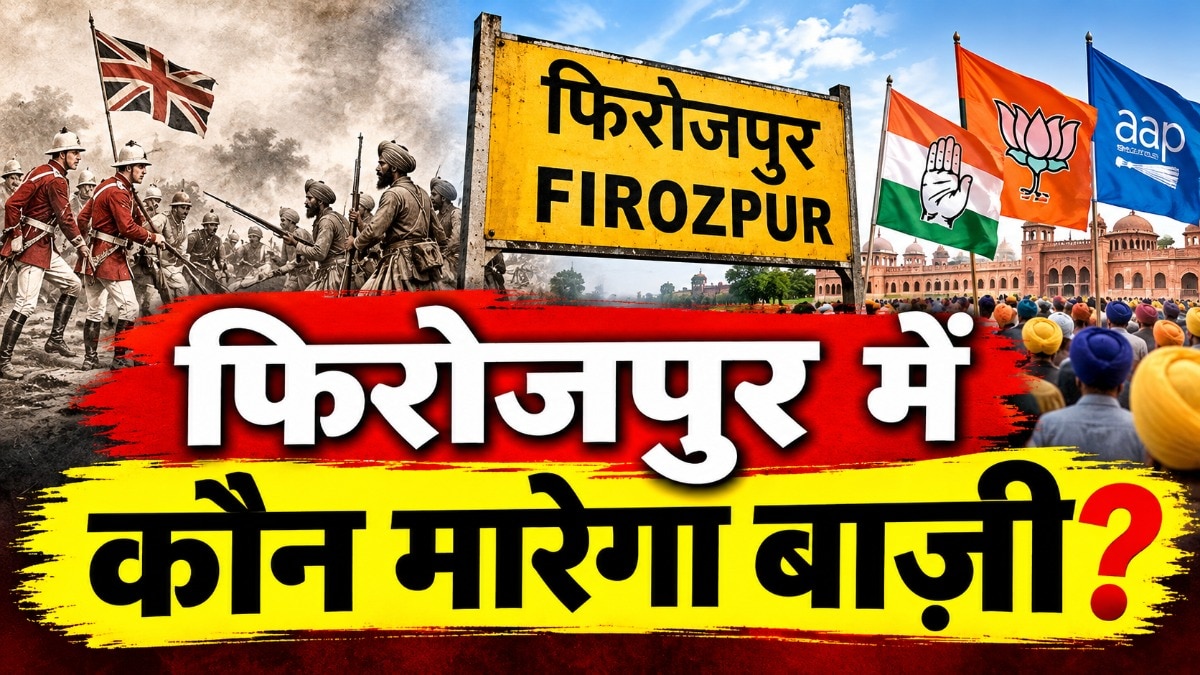
Firozpur, strategically positioned along the India-Pakistan border in Punjab, holds significant historical importance as a site of military confrontation and political contestation. The city emerged as a critical battleground during the anti-colonial resistance, where local forces and freedom fighters engaged British forces in armed struggle. These military engagements underscored the region's strategic value and the determined resistance mounted by Indian forces against colonial rule.
Beyond its military significance, Firozpur has served as a crucial stage for political maneuvering and governance since independence. The city and its surrounding areas have experienced considerable political activity, with various factions and parties competing for influence and representation. This political dimension has been integral to the city's development trajectory and its role within Punjab's administrative and electoral landscape.
The dual narrative of military struggle and political engagement reflects the broader patterns witnessed across Punjab during India's transition from colonial rule to self-governance. Firozpur's position on the international border has continued to shape its demographic composition, economic activities, and administrative priorities in the post-independence period. The city remains a significant regional center where historical memory and contemporary political dynamics intersect.
Today, Firozpur represents a living testament to India's struggle for freedom and the complexities of nation-building in the post-colonial era. The city's historical contributions to the independence movement continue to inform its cultural identity, while its ongoing political significance ensures its relevance in state and national discourse.