World · India Bureau
First cohort of 18,300 Agniveers to exit forces by year-end
India's inaugural batch of short-service Agniveers will complete their four-year tenure by December 31, marking a significant milestone for the armed forces' recruitment model. The departing personnel will gain preferential access to positions in central armed police forces, state police, railways and defence public sector undertakings.
LSN India ·
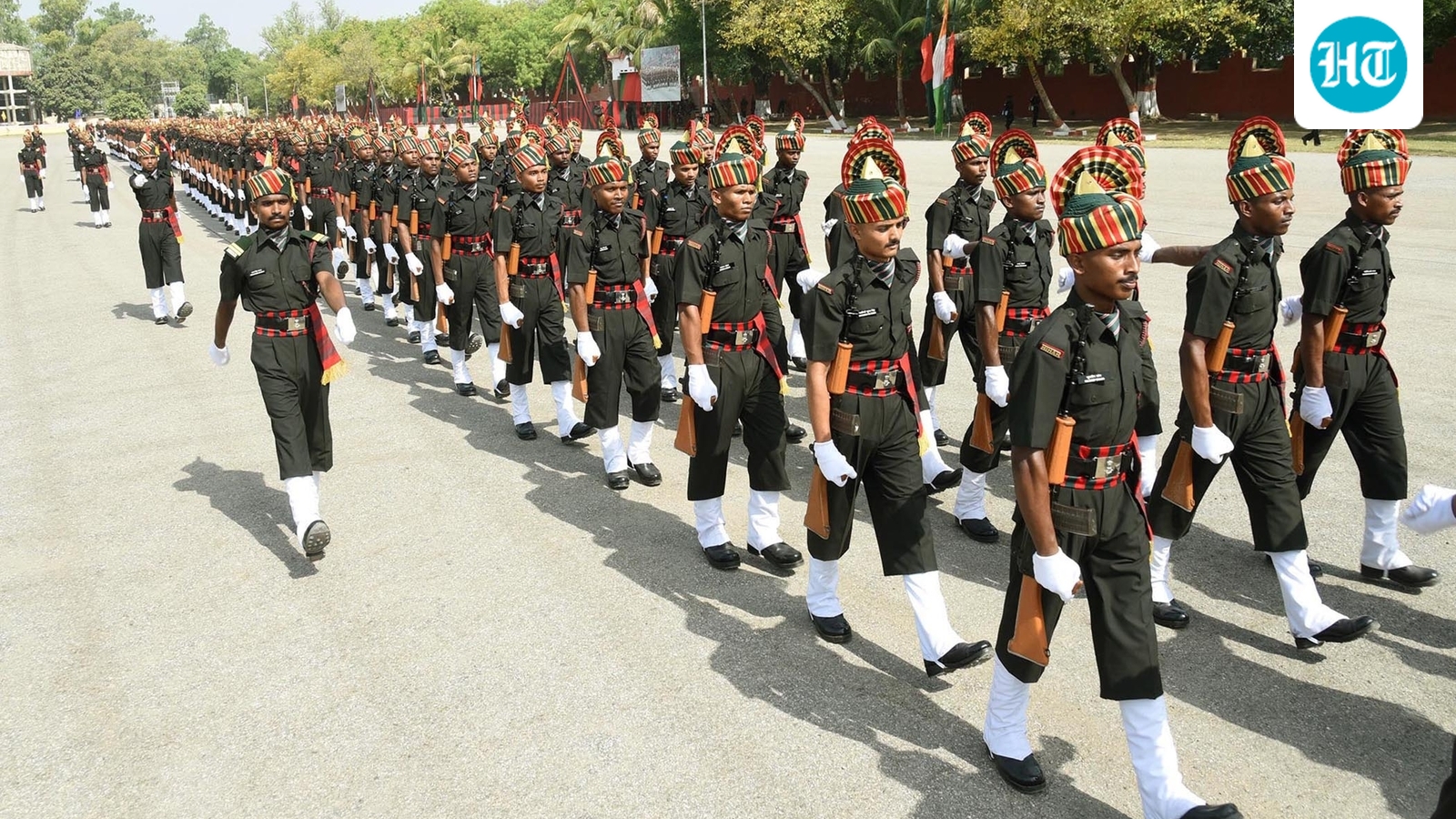
The first contingent of 18,300 Agniveers recruited under India's Agnipath scheme will conclude their military service by the close of this year as their four-year engagement period expires. The scheme, introduced in 2022, fundamentally reformed armed forces recruitment by offering time-bound commissions rather than permanent positions, attracting youth to serve the nation in a structured format.
Upon completion of their tenure, these personnel will transition into civilian employment with several structured pathways available. The government has designated preferential hiring quotas for Agniveers in central armed police forces including the CRPF, BSF, and CISF, as well as in state police departments. Additionally, positions have been reserved in Indian Railways and defence-affiliated public sector undertakings to facilitate their integration into the broader employment ecosystem.
The departure of the first cohort will provide crucial data on retention rates, service quality and post-service employment outcomes of the Agnipath model. Military authorities have emphasized that the scheme offers young Indians an opportunity to serve the armed forces while maintaining skill development and career prospects beyond their military tenure.
The Ministry of Defence has been coordinating with recruitment agencies to streamline the transition process and ensure Agniveers have adequate support in pursuing available employment opportunities. The successful absorption of this first batch is viewed as essential to validating the sustainability of the recruitment framework for subsequent cohorts.