World · India Bureau
Fish cull experiment backfires as unintended species thrives instead
Scientists removed nearly 300,000 fish from a Wisconsin lake hoping to revive a struggling walleye population, but the effort unexpectedly triggered a dramatic surge in yellow perch numbers instead.
LSN India ·
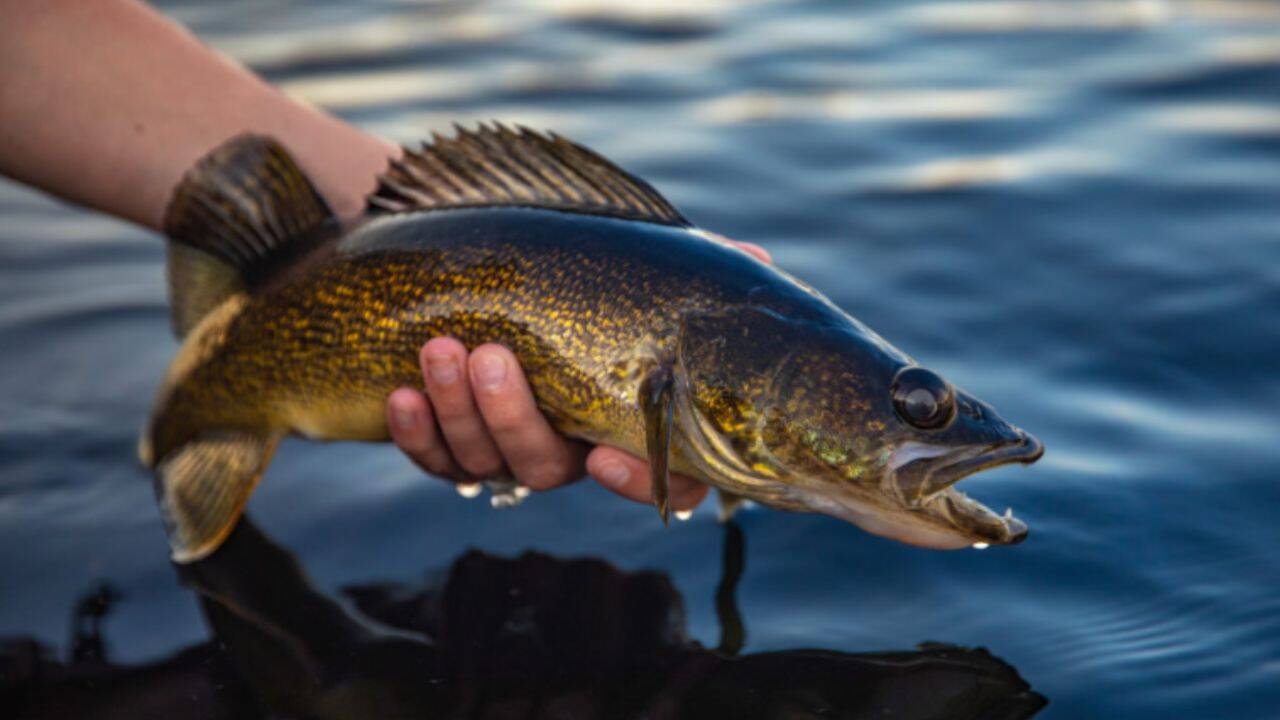
Researchers conducting a large-scale ecological experiment in Wisconsin's McDermott Lake removed approximately 285,000 centrarchid fish—a group that includes sunfish and bass species—between 2018 and 2021. The goal was to reduce competition and predation pressure that was believed to be hampering the recovery of walleye, a commercially and recreationally important fish species whose population had declined significantly.
The culling operation did succeed in sharply reducing several fish species targeted in the removal effort. However, the results revealed an unexpected consequence: yellow perch numbers surged by approximately 788 percent during the study period, suggesting the removed centrarchids had been controlling perch populations more effectively than initially understood.
Despite the dramatic changes in the lake's fish composition, the experiment failed to achieve its primary objective. Researchers detected no measurable natural recruitment of walleye, indicating that removing centrarchids alone was insufficient to restore the walleye population to viable levels. The findings suggest that multiple factors beyond predation and competition may be limiting walleye recovery in the lake.
The study underscores the complexity of freshwater ecosystem management and the difficulty of predicting how fish communities will respond to large-scale interventions. While the centrarchid removal had significant ecological effects, it demonstrated that addressing a single species' decline may require understanding and addressing multiple, interconnected environmental factors.