World · India Bureau
Fitbit Air offers impressive battery life, sleep tracking; GPS accuracy lags
The screenless Fitbit Air delivers a lightweight alternative to traditional smartwatches with extended battery endurance and strong recovery monitoring capabilities. However, potential buyers should be aware of limitations in GPS tracking performance.
LSN India ·
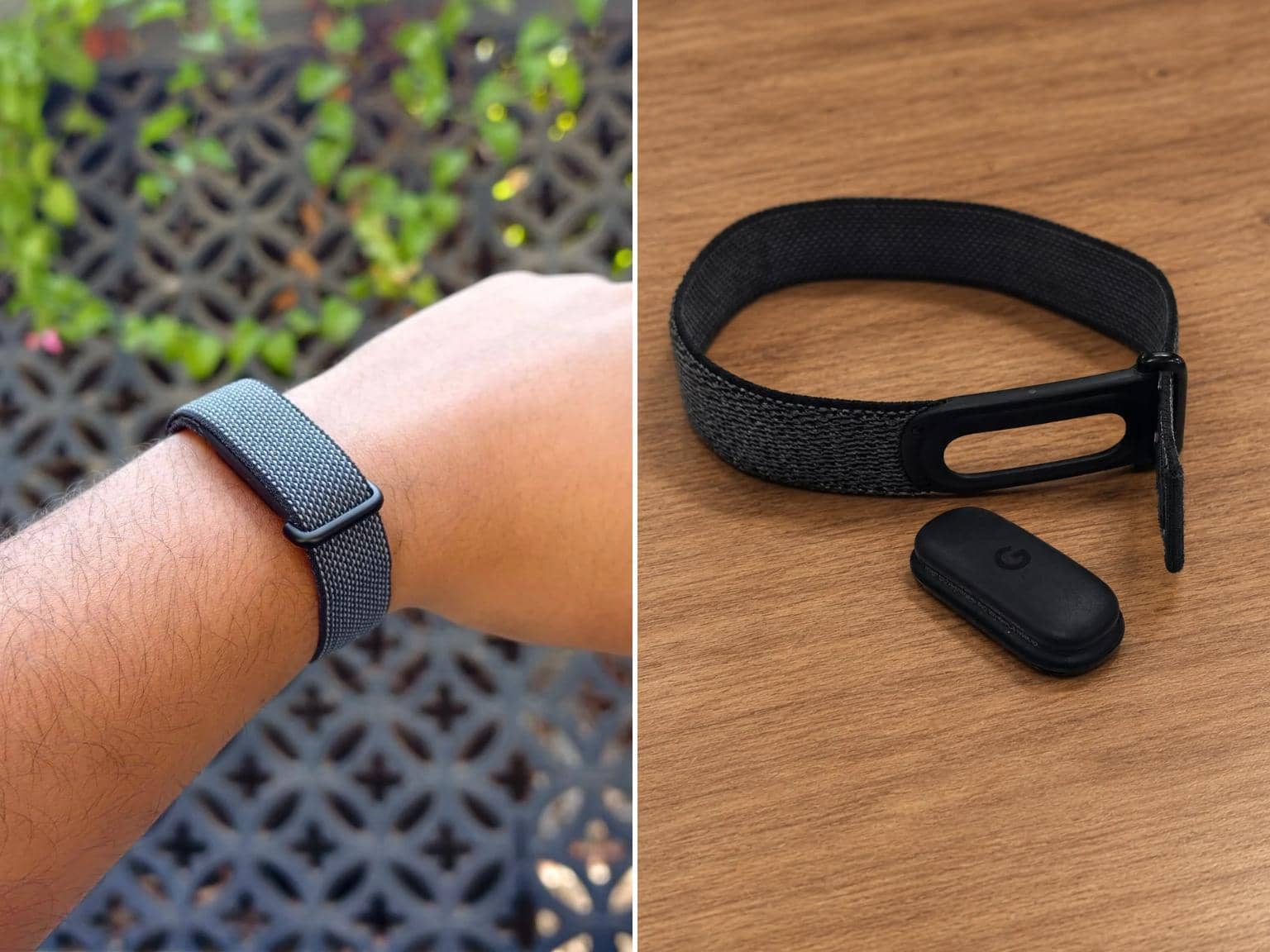
The Fitbit Air represents a departure from the screen-heavy smartwatch market, positioning itself as a minimalist wearable device designed for users seeking simplicity without sacrificing core fitness tracking features. The device's primary appeal lies in its lightweight construction and exceptional battery life, which extends approximately one week between charges—a significant advantage over conventional smartwatches that typically require daily or every-other-day charging.
In testing, the Fitbit Air demonstrated particular strength in sleep monitoring and recovery metrics, accurately capturing sleep cycles and providing users with detailed insights into rest quality and physical recovery patterns. These functions align with growing consumer interest in holistic health metrics beyond simple step counting and calorie burn estimates.
The device does present notable compromises in GPS functionality, with tracking accuracy showing inconsistencies that may concern users relying on precise route mapping for running, cycling, or outdoor activities. This limitation suggests the Fitbit Air is optimized primarily for general fitness monitoring rather than serious athletic training.
The screenless design philosophy offers both benefits and trade-offs. While eliminating the display contributes to extended battery performance and reduced weight, it eliminates real-time data visualization that some users have grown accustomed to on traditional smartwatches. The device appeals to those prioritizing simplicity and durability over feature-rich interface capabilities.