Culture & Entertainment · India Bureau
Fitness wearables shift focus to recovery metrics beyond daily steps
Smartwatches and fitness bands are increasingly incorporating advanced health metrics like heart rate variability and VO₂ max to monitor recovery and overall wellness. The trend reflects a broader industry shift away from simple activity tracking toward comprehensive physiological assessment.
LSN India ·
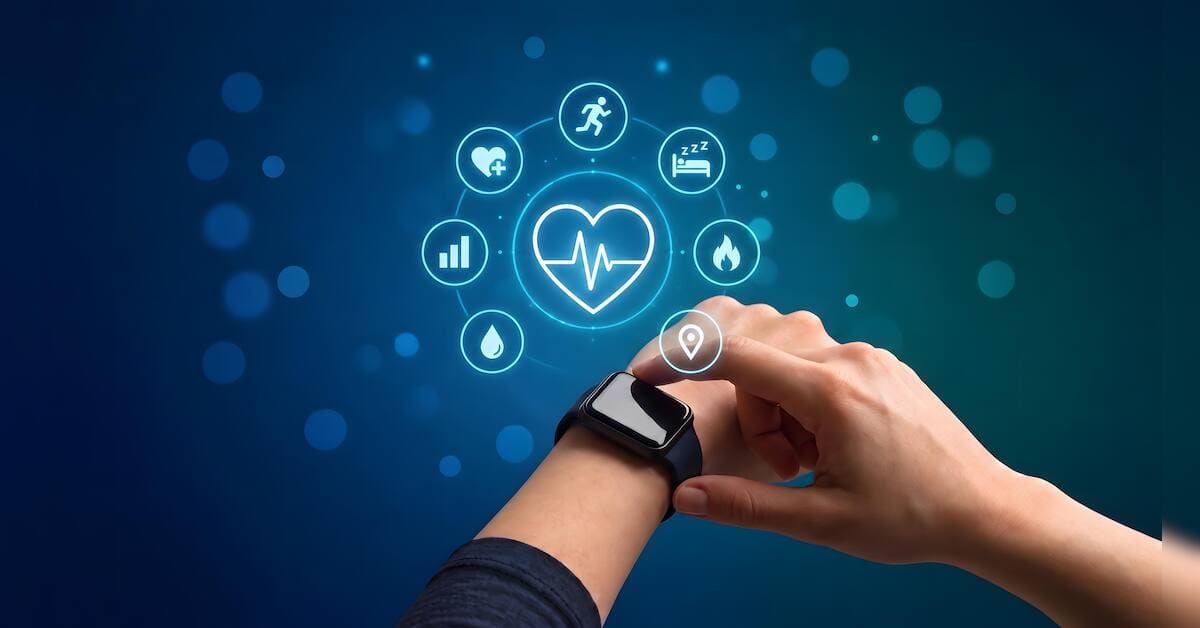
The fitness wearables market is evolving beyond the basic step-counting paradigm that dominated the sector for years. Modern devices now integrate sophisticated sensors and algorithms to track recovery indicators including heart rate variability, sleep quality, and maximum oxygen uptake (VO₂ max), offering users a more nuanced understanding of their physical condition.
Screenless fitness bands and advanced smartwatches have become increasingly capable of capturing detailed physiological data that was once the domain of clinical settings. These devices provide real-time insights into how users' bodies recover between workouts, helping them optimize training schedules and avoid overexertion.
The shift reflects a growing recognition among fitness enthusiasts and health professionals that recovery is equally important as exercise itself. Wearables now measure factors like sleep architecture, resting heart rate trends, and stress levels to provide holistic wellness assessments rather than focusing solely on daily activity metrics.
However, consumers increasingly want clarity on the practical value and accuracy of these advanced metrics. As the market becomes saturated with recovery-focused features, users are raising questions about clinical validation and whether these measurements translate into meaningful health outcomes or remain primarily marketing differentiators among competing brands.