World · India Bureau
Five Common Mopping Mistakes That Leave Floors Sticky
Sticky floors after mopping often result from improper cleaning techniques rather than inadequate effort. Excessive cleaner, dirty water, and saline solutions can create a residue layer that persists even after thorough mopping.
LSN India ·
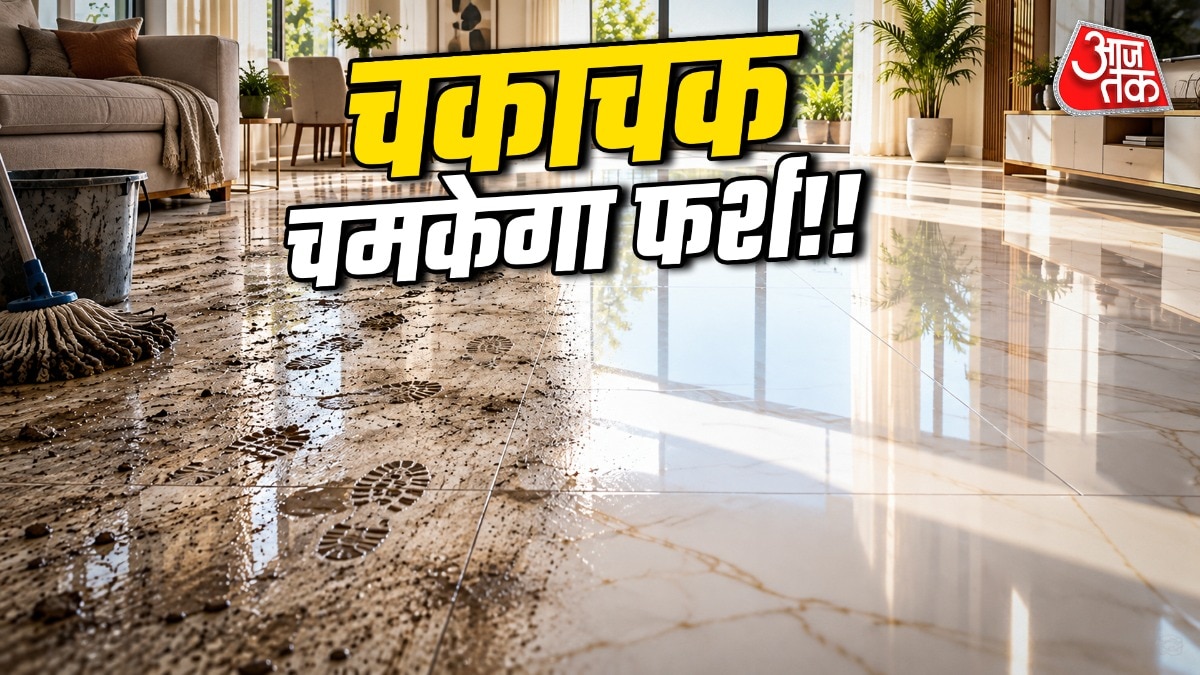
Homemakers and cleaning professionals across India frequently encounter the frustrating problem of sticky floors that remain tacky even after mopping. This common household issue typically stems from avoidable mistakes in the cleaning process rather than the quality of cleaning products used.
One of the primary culprits is using excessive cleaning solution. While stronger concentrations might seem more effective, they actually leave behind a stubborn residue that accumulates on floor surfaces. Similarly, using dirty or contaminated water during the final rinse fails to remove the cleaning agent properly, trapping it on the floor and creating a slippery, adhesive layer.
Saline or salt water, sometimes used in cleaning routines, can also contribute to the sticky residue problem. These solutions bind to floor surfaces and are difficult to rinse away completely, leaving behind a persistent film even after multiple mopping attempts.
To achieve clean, glossy floors without the sticky residue, experts recommend using cleaning solutions in measured quantities, changing water frequently during the mopping process, and ensuring a final rinse with fresh, clean water. Proper technique—including wringing out the mop thoroughly before each application—helps prevent excess moisture and chemical buildup on floor surfaces.
Following these corrective measures can transform floor cleaning routines, delivering sparkling results without the inconvenient tackiness that makes newly mopped floors difficult to walk on.