Technology · Malaysia Bureau
Five Eyes nations prioritise artificial intelligence in security operations
Australia hosted security talks where the Five Eyes alliance discussed deploying artificial intelligence to combat terrorism, drug trafficking, scam operations and organised crime networks across the region.
LSN Malaysia ·
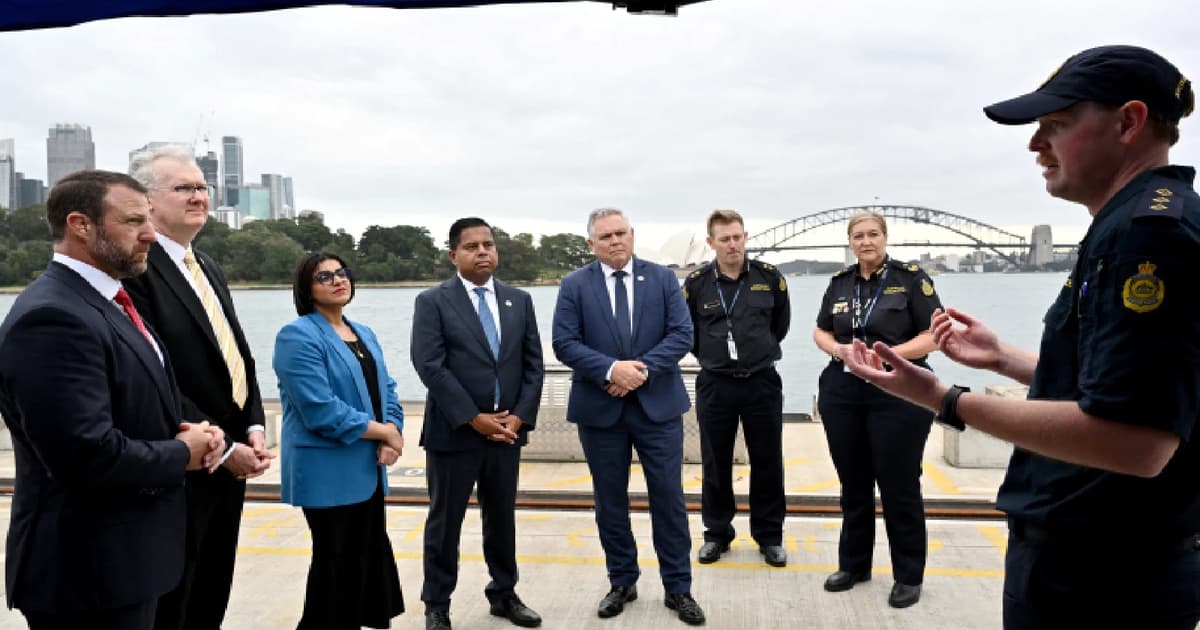
Intelligence officials from the Five Eyes alliance—comprising Australia, Canada, New Zealand, the United Kingdom and the United States—have identified artificial intelligence as a critical tool in addressing transnational security threats. The discussions, held in Australia, reflected growing recognition that AI technologies can enhance operational capabilities in tackling some of the most pressing criminal and security challenges facing the Indo-Pacific region.
Participants explored how AI applications could strengthen counter-terrorism efforts, disrupting networks before attacks occur. The technology is also being evaluated to combat drug smuggling operations, which continue to pose significant risks to regional stability and public health. Intelligence agencies outlined potential uses of machine learning and data analytics to identify trafficking patterns and intercept illicit shipments more effectively.
The alliance paid particular attention to the growing threat posed by sophisticated scam centres operating across the region. Officials discussed how AI-powered systems could detect fraudulent schemes targeting citizens and disrupt the criminal infrastructure supporting these operations. Additionally, the Five Eyes partners examined approaches to using advanced technology against organised crime syndicates involved in multiple illicit activities.
The talks underscore the alliance's commitment to modernising intelligence-sharing mechanisms and adopting emerging technologies to address evolving security threats. As cybercriminals and criminal networks become increasingly sophisticated, the Five Eyes nations view AI as essential to maintaining operational advantage and protecting citizens across their respective jurisdictions.