World · India Bureau
Five Major Conflict Zones Simmer as Global Tensions Escalate
The world faces simultaneous flashpoints across multiple regions, with active military confrontations and escalating tensions threatening regional stability. From Eastern Europe to the Middle East and Asia-Pacific, geopolitical fault lines show little sign of cooling.
LSN India ·
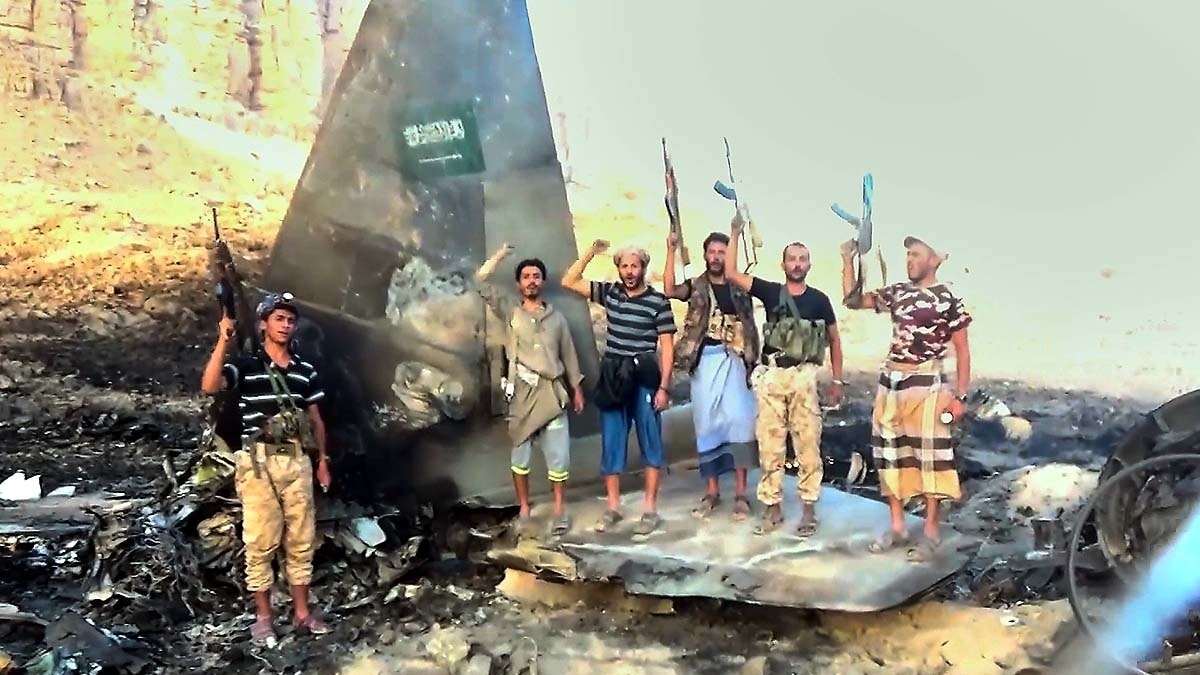
Five principal conflict zones are currently active across the globe, each posing distinct challenges to international peace and security. The Russia-Ukraine war continues to grind through its third year, with no diplomatic resolution in sight, while the Middle East faces intensifying confrontations between multiple state and non-state actors.
In the Arabian Peninsula, the Houthi movement and Saudi Arabia remain locked in a protracted conflict that has destabilized Yemen and threatened regional shipping lanes. Simultaneously, rising tensions between Iran and the United States have elevated concerns about potential direct military escalation in the Persian Gulf region, with both sides engaging in military posturing and cyber operations.
The Korean Peninsula presents another critical flashpoint, where missile tests by North Korea have triggered renewed security alarms and prompted increased military drills by the United States and South Korea. Meanwhile, the Pakistan-Afghanistan border region continues to witness periodic skirmishes and cross-border tensions, compounded by concerns over militant activity and refugee flows.
Collectively, these conflict zones strain international resources and diplomatic channels, with global institutions struggling to broker meaningful resolutions. Regional powers and international stakeholders remain deeply concerned about potential spillover effects and the humanitarian toll of sustained hostilities across multiple theaters.