World · World News Bureau
Five nations wield outsized power at United Nations Security Council
While all 193 UN member states hold equal voting rights in the General Assembly, a select group of five permanent Security Council members possess veto authority that fundamentally shapes global governance. This structural imbalance has defined international relations since the organization's founding.
LSN World News ·
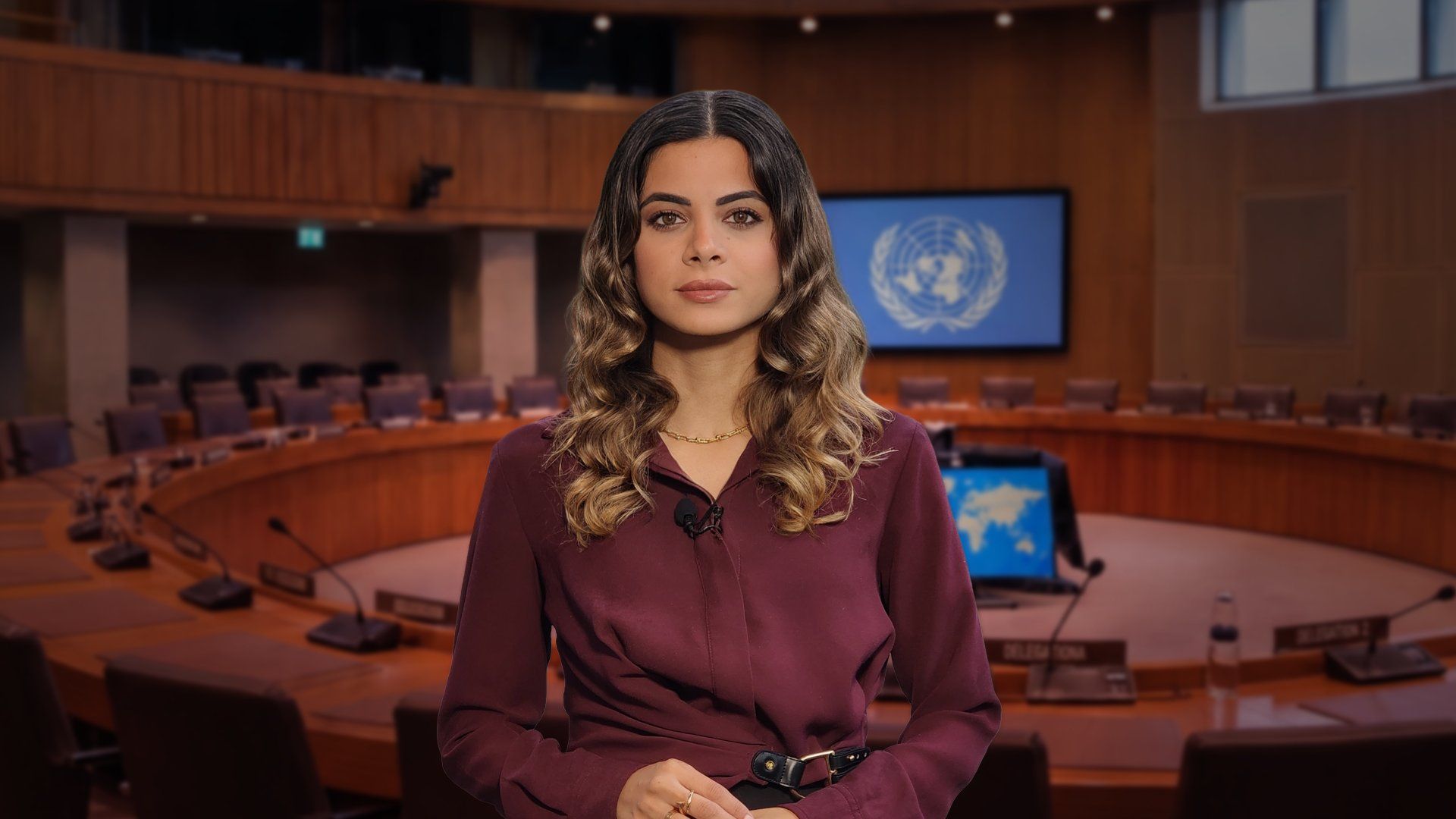
The United Nations grants each of its 193 member states one vote in the General Assembly, creating an ostensibly democratic framework for global decision-making. However, this egalitarian principle masks a significant concentration of power concentrated in the hands of five permanent members of the Security Council: the United States, China, Russia, France, and the United Kingdom.
These five nations possess veto authority over any Security Council resolution, a privilege not extended to the organization's other 188 members. A single negative vote from any permanent member can block international action on matters ranging from military interventions to economic sanctions, effectively allowing these countries to obstruct measures they oppose regardless of broader international consensus.
This power structure originated from the post-World War II geopolitical landscape, when the victorious allied powers sought to cement their influence over the newly established international body. The veto mechanism was intended to prevent military intervention against major powers, though it has frequently been weaponized to block humanitarian interventions and peacekeeping operations.
The arrangement has drawn persistent criticism from smaller nations and international observers who argue it undermines the democratic principles upon which the UN was founded. Calls for Security Council reform have intensified in recent decades, yet any modification to the veto system would itself require unanimous approval from the five permanent members—a threshold virtually impossible to achieve given their conflicting interests.