World · India Bureau
Five plants to keep away from tulsi for healthy growth, gardeners advised
Gardeners in India are being warned that slow tulsi growth may not always stem from inadequate watering or fertilizer. Placing certain incompatible plants nearby can significantly hinder the herb's development.
LSN India ·
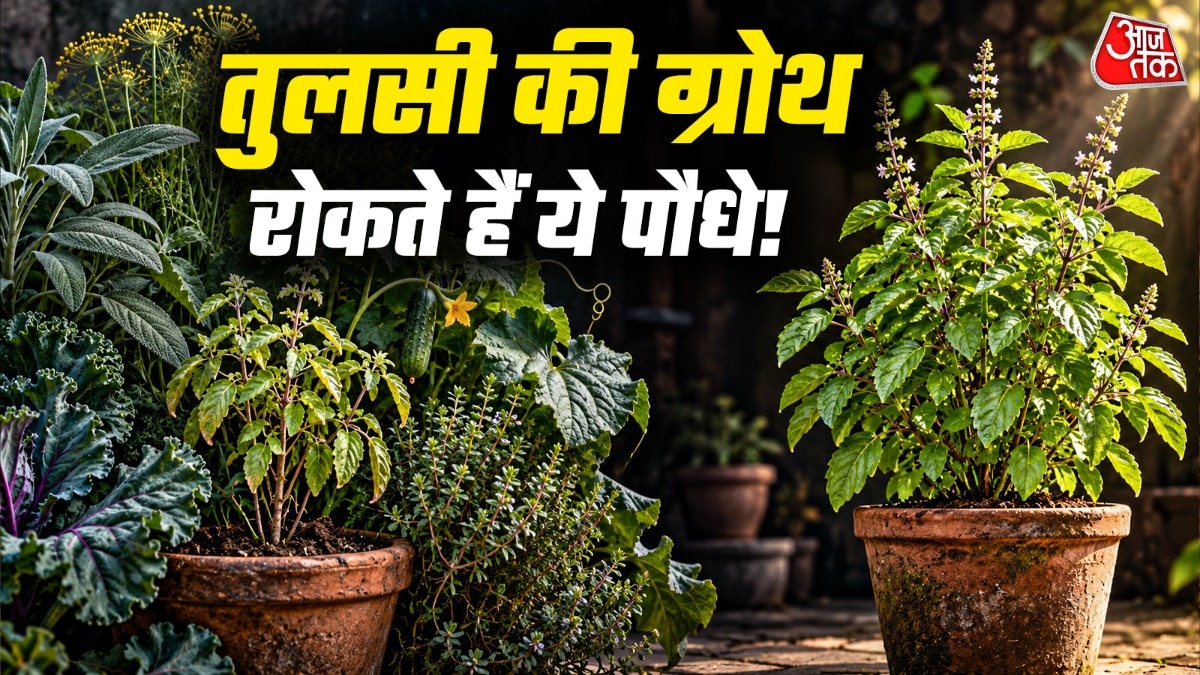
Tulsi, a sacred herb widely cultivated in Indian households, often fails to thrive despite proper care routines. While water and nutrient deficiencies are commonly blamed for stunted growth and wilting, horticultural experts point to companion planting incompatibility as an overlooked factor affecting the plant's vitality.
Sage, fennel, and cucumber are among five plants that should not be positioned adjacent to tulsi, according to traditional gardening wisdom backed by practical observation. These particular species are known to inhibit tulsi's growth when planted in close proximity, potentially competing for nutrients or releasing compounds that suppress development.
Gardeners should exercise caution when arranging herbs and vegetables in kitchen gardens or balcony spaces. The placement of incompatible species can result in stunted growth, premature drying, and reduced leaf productivity, even when environmental and nutritional conditions appear adequate.
Conversely, certain plant combinations promote tulsi's flourishing. Selecting compatible companion plants—those that share similar growing requirements and do not inhibit nutrient absorption—can accelerate growth and enhance the herb's vigor. Understanding these botanical relationships helps gardeners optimize their plant arrangements for better yields and healthier specimens across their gardens.