World · India Bureau
Five quick checks to diagnose low water pressure at home
Homeowners experiencing sudden drops in water pressure need not immediately call a plumber. A systematic inspection of five common culprits can often identify the root cause.
LSN India ·
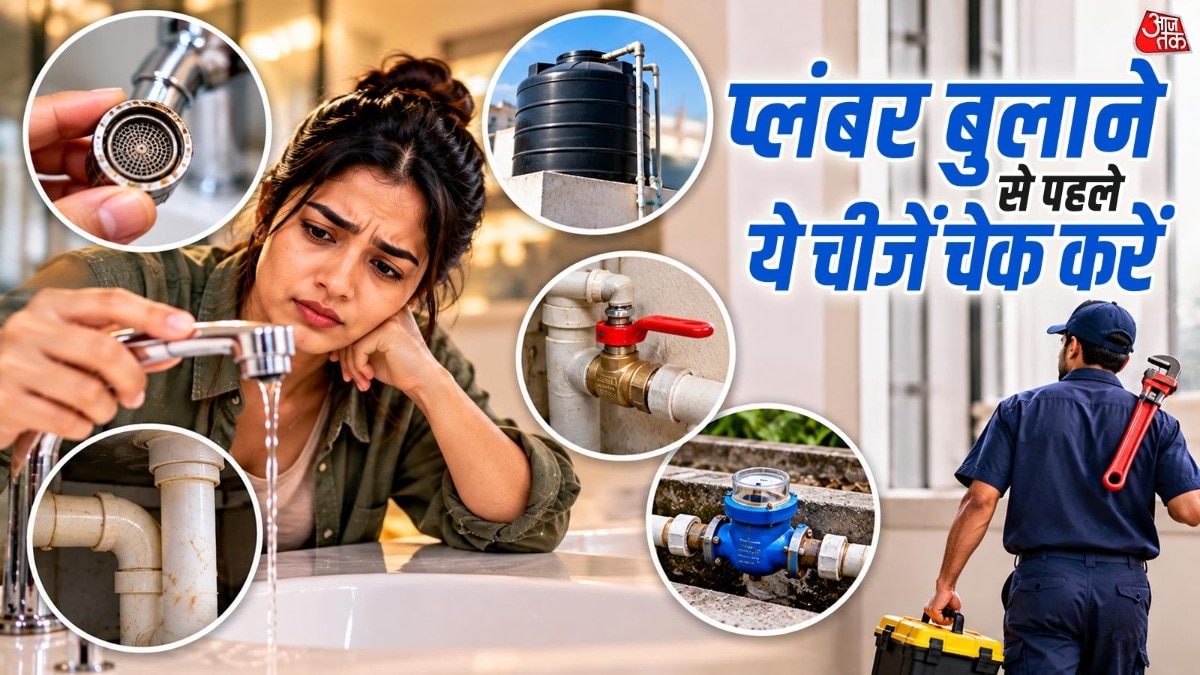
When water pressure drops unexpectedly at household taps, many Indians instinctively reach for their plumber's contact number. However, diagnosing the problem independently can save time and expense by identifying issues that require professional intervention versus those manageable by residents.
The first point to inspect is the tap aerator or mesh screen, which frequently accumulates mineral deposits and debris that restrict water flow. This component can typically be unscrewed, cleaned thoroughly, and reinstalled. The second area requiring attention is the home's water storage tank, which may be partially empty or require cleaning if sediment has accumulated inside.
Thirdly, examine the main water supply valve, ensuring it is fully opened and not partially closed, which could artificially limit pressure throughout the house. Fourth, inspect visible piping for leaks or damage that might indicate water loss upstream. Finally, check whether the issue stems from the municipal water supply itself by confirming whether neighbors are experiencing similar pressure problems.
Systematic examination of these five elements—aerators, storage tanks, valves, pipes, and external supply conditions—enables most householders to pinpoint pressure problems before seeking professional assistance. Only when these checks reveal no obvious issues should a qualified plumber be consulted.