World · India Bureau
Floating forest drifts 30 km, carries wildlife intact to new location
A remarkable natural phenomenon has scientists observing as a floating forest mass, complete with its animal inhabitants, has relocated to a site 30 kilometers from its original position. The ecosystem remains largely undisturbed despite the dramatic displacement.
LSN India ·
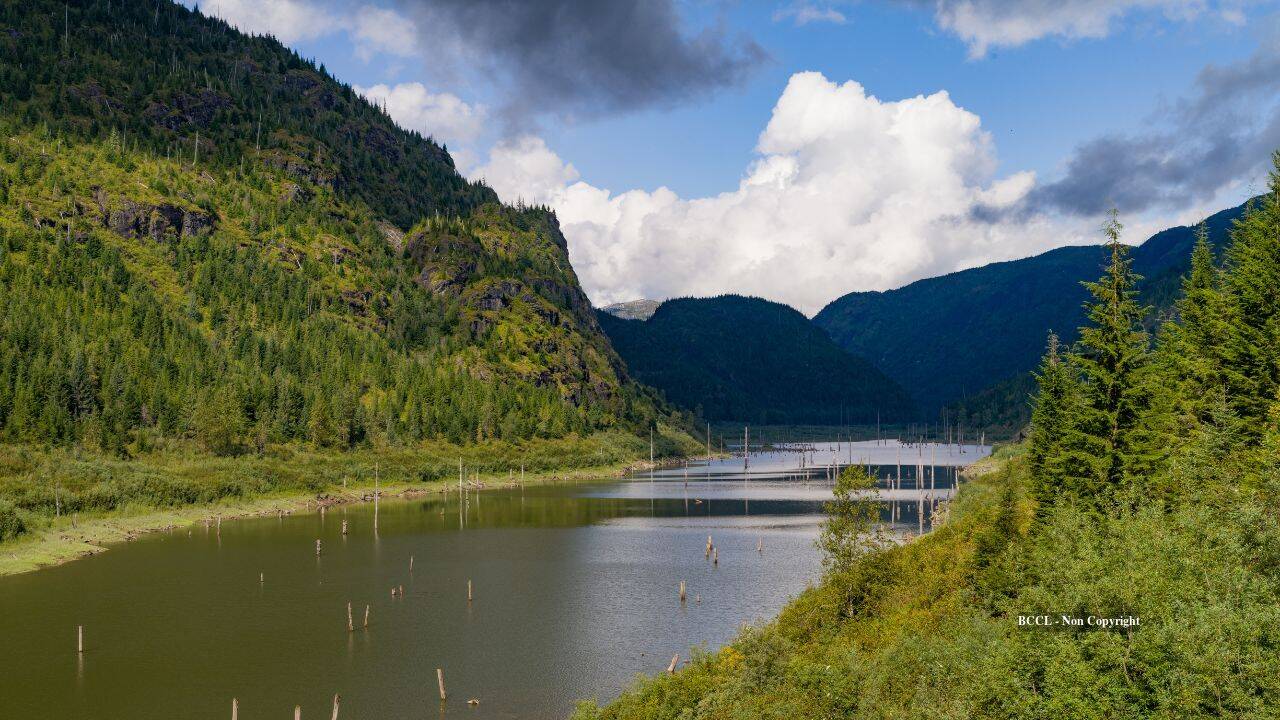
A substantial floating forest ecosystem has undergone an extraordinary migration, traveling approximately 30 kilometers while maintaining its biological integrity and resident wildlife population. The phenomenon, which represents a rare natural occurrence, has drawn attention from environmental observers and researchers monitoring the region's unique aquatic systems.
Floating forests, known as sudd or mat ecosystems in wetland regions, consist of densely matted vegetation that accumulates on water bodies. These formations create isolated habitats where wildlife—ranging from birds and reptiles to small mammals—establish themselves in the absence of traditional ground-based terrain. The structural integrity of such masses depends on a delicate balance of environmental conditions including water currents, temperature, and vegetation density.
The reappearance of this particular floating forest at a location significantly removed from its origin point indicates the influence of seasonal water movements, wind patterns, and hydrological shifts characteristic of the region's monsoon cycle. Despite the substantial distance traveled, ecological surveys suggest that the forest structure and its faunal composition have remained largely preserved during transit.
The event underscores the dynamic nature of wetland ecosystems in South Asia, where water-level fluctuations and environmental pressures continually reshape landscapes. Scientists continue monitoring the relocated ecosystem to understand the mechanisms behind such migrations and assess any long-term impacts on both the floating forest and the surrounding aquatic environment.