Sport · India Bureau
Floating wetlands cut wastewater methane emissions by two-thirds
Australian researchers have demonstrated that floating wetland systems can significantly reduce harmful greenhouse gas emissions from wastewater treatment facilities. A two-year study showed the technology achieved a 66 percent reduction in methane while also lowering carbon dioxide and nitrous oxide levels.
LSN India ·
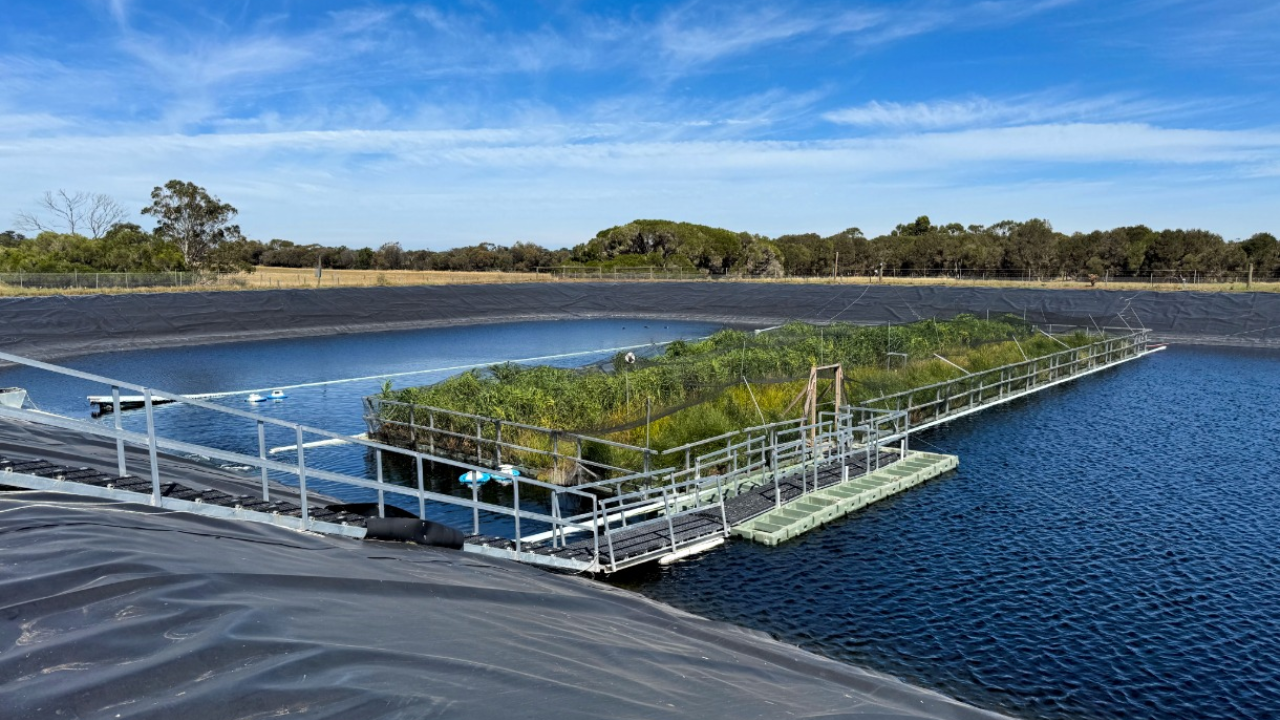
Australia has deployed an innovative wastewater treatment solution that harnesses nature to combat greenhouse gas emissions. A 330-square-metre floating wetland platform was installed on a wastewater lagoon, where it underwent rigorous testing to assess its environmental impact.
Research conducted over two years revealed substantial benefits from the approach. The floating wetland system reduced methane emissions by 66 percent, while simultaneously cutting carbon dioxide and nitrous oxide levels. These results suggest the technology could play a meaningful role in reducing the environmental footprint of wastewater management infrastructure.
The effectiveness of floating wetlands derives from their ecological design. Native vegetation cultivated on the platforms creates ideal conditions for beneficial microorganisms to flourish. These microbes actively break down pollutants and neutralize harmful gases, providing a natural treatment mechanism that complements or potentially replaces conventional chemical-based approaches.
The success in Australia has prompted further investigation into the technology's broader applications. Researchers are now testing similar floating wetland installations on regional agricultural dams, seeking to expand understanding of how the systems perform across different environments and scales. The findings suggest floating wetlands represent a significant advancement in sustainable wastewater management practices.