Culture & Entertainment · India Bureau
Florida oyster reef restoration shows rapid marine ecosystem recovery
Restored oyster reefs in Florida's Indian River Lagoon have demonstrated remarkable capacity for ecological regeneration, with marine biodiversity rebounding to healthy levels within 18 months of restoration efforts.
LSN India ·
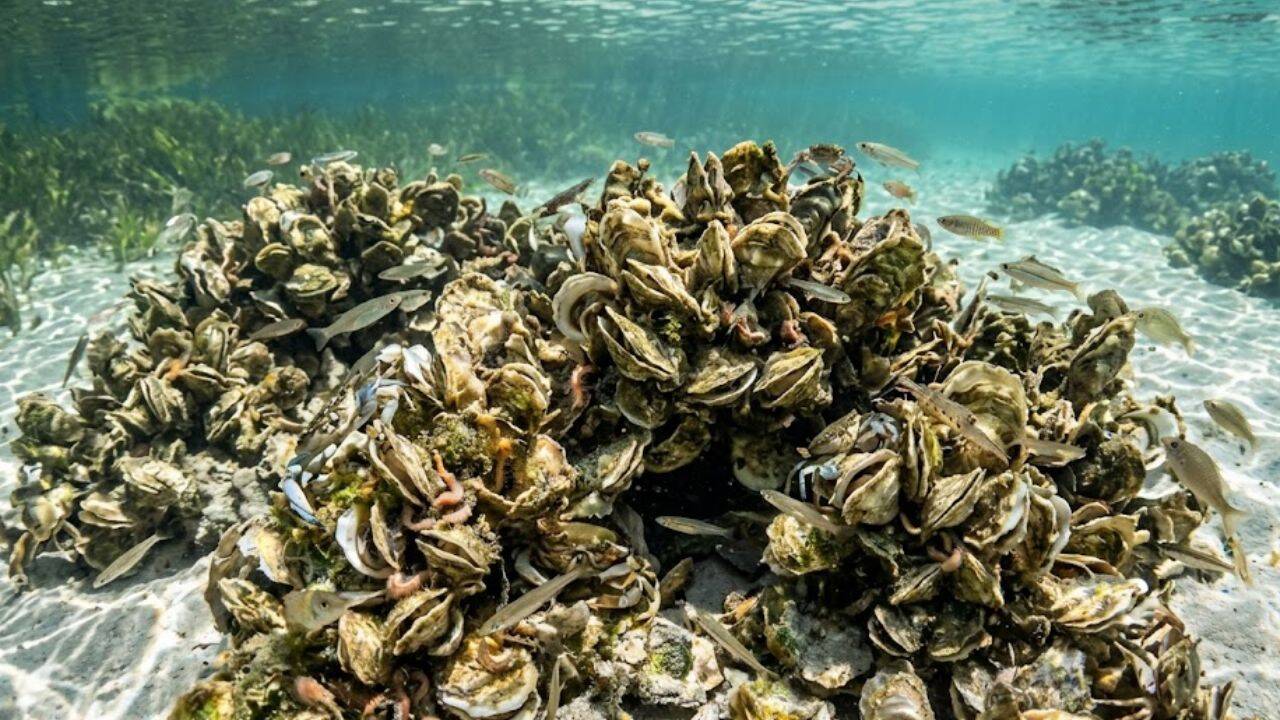
Oyster reef restoration initiatives in Florida's Indian River Lagoon have yielded encouraging results, with marine ecosystems showing significant signs of recovery in a relatively short timeframe. According to restoration monitoring data, species diversity in the restored reef areas achieved parity with naturally thriving reefs in approximately one year, signalling the effectiveness of targeted conservation efforts.
The broader measure of ecosystem health—overall invertebrate abundance—required a longer recovery period of 18 months to reach comparable levels with established reef systems. This sequential recovery pattern provides valuable insights into how different ecological indicators respond to restoration activities at varying rates.
Particularly notable has been the resurgence of flatback mud crab populations in the restored reef areas. The increase in these crustacean populations appears directly linked to improvements in reef structural integrity and oyster density, underscoring the interconnected nature of marine ecosystem components. As reef structures stabilised and oyster populations expanded, the enhanced habitat supported greater densities of associated species.
The Indian River Lagoon restoration project demonstrates the potential for marine ecosystems to recover relatively quickly when appropriate conservation measures are implemented. Such findings carry implications for similar restoration efforts across coastal regions facing ecological degradation, suggesting that strategic intervention can catalyse meaningful ecosystem revitalisation within manageable timeframes.