World · India Bureau
Flydubai cockpit attack raises fresh aviation security concerns across region
The incident involving a flydubai pilot has triggered scrutiny of airline vetting procedures, cockpit access protocols, and screening mechanisms for potential radicalization. The attack on Captain Smit Machchhar has prompted questions about safeguards in commercial aviation across South and Southeast Asia.
LSN India ·
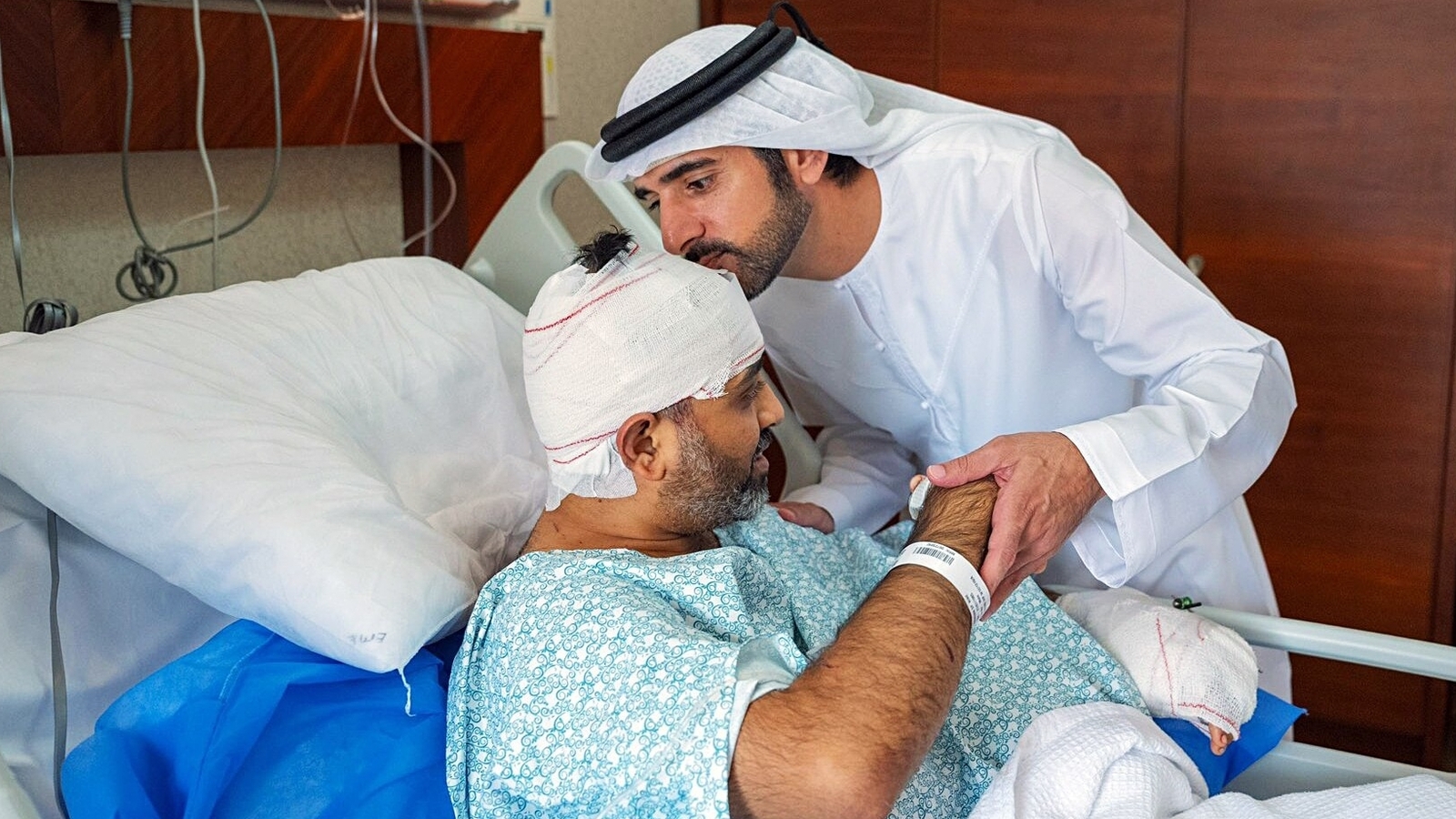
The assault on a senior flydubai pilot by his co-pilot has exposed significant gaps in aviation security frameworks, raising alarm bells for airlines and regulatory bodies operating across the region. The incident has brought into sharp focus three critical areas: the thoroughness of pre-employment background checks for cockpit crew, the physical security measures protecting flight decks, and intelligence-sharing mechanisms designed to identify personnel at risk of radicalization.
Airlines in South and Southeast Asia are now grappling with the uncomfortable reality that traditional vetting procedures may be insufficient to detect potential security threats among flight crews. The attack underscores the vulnerability of the cockpit environment, where a single crew member with malicious intent can pose extraordinary dangers to passenger safety. Industry observers have pointed to the need for enhanced psychological evaluations, behavioral monitoring systems, and more rigorous credential verification processes.
The incident has also highlighted gaps in intelligence coordination between aviation authorities and security agencies. Airlines currently lack standardized protocols for identifying crew members who may be undergoing ideological radicalization or exhibiting warning signs of potential violence. Regional aviation regulators are now under pressure to establish information-sharing frameworks and develop early-warning systems.
Security experts have recommended implementing additional cockpit safeguards, including reinforced doors with improved access controls, mandatory crew coordination protocols during critical flight phases, and real-time health monitoring of personnel in sensitive positions. Some have advocated for increased unannounced security audits and surprise background verification checks.
The incident serves as a watershed moment for aviation safety in the region, prompting airlines and regulatory authorities to reassess their approach to personnel security and cockpit protection. Airlines operating in India and neighboring countries have begun reviewing their crew vetting processes in response to heightened security awareness.