Technology · Singapore Bureau
Food rescue apps struggle to bridge gap between surplus and hungry
Despite growing efforts to tackle food waste, applications connecting surplus meals with consumers face logistical hurdles and mismatched expectations. The challenge reveals tensions between convenience, affordability and the economics of food redistribution.
LSN Singapore ·
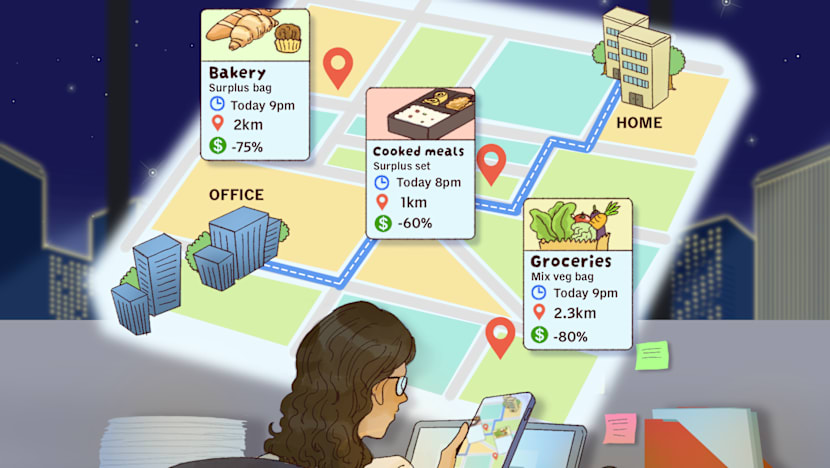
Food rescue platforms across South and Southeast Asia are grappling with fundamental mismatches between supply and demand, even as the region grapples with food waste and food insecurity.
The core problem is straightforward: consumers expect participating restaurants and merchants to be within walking distance of their homes or offices, offer substantial discounts, and make surplus food available at times that suit their schedules. These competing demands create operational friction that many platforms struggle to resolve.
"They all want merchants near their home, near the office, and at a very steep discount and at a very convenient timing," according to operators in the sector. This expectation gap becomes particularly acute during off-peak hours when surplus food is most abundant—typically outside standard meal times when most people are neither hungry nor looking to purchase discounted meals.
The logistics also work against efficiency. Food rescue apps must coordinate across fragmented merchant networks, manage perishable inventory, and operate on razor-thin margins that leave little room for delivery or handling costs. Geographic spread, timing misalignment, and the challenge of aggregating small quantities of surplus food from dispersed locations compound the problem.
Industry participants acknowledge these obstacles as they seek sustainable models that balance merchant participation, user satisfaction, and environmental benefits. Without solving these fundamental challenges, even well-intentioned platforms may struggle to scale beyond niche markets.