Politics · India Bureau
Food safety agencies can shut restaurants immediately for hygiene violations
India's food safety framework permits authorities to suspend licences without prior notice when serious health violations are discovered. The law also provides consumer protection mechanisms for those harmed by unsafe food.
LSN India ·
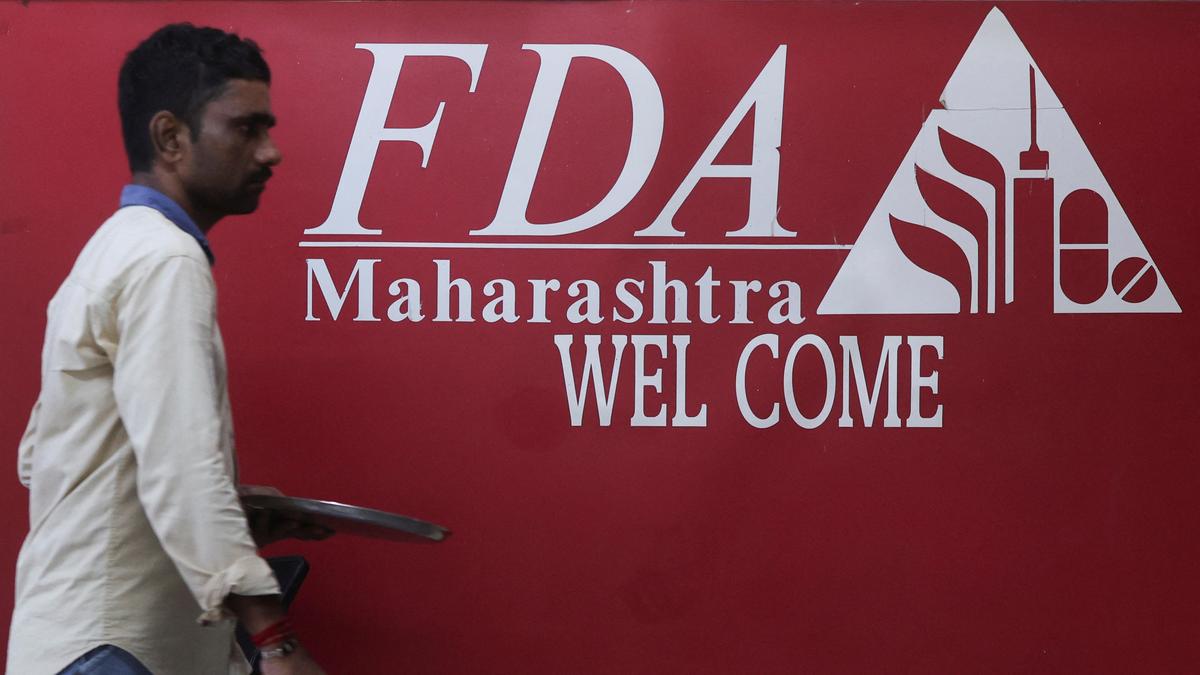
Food safety authorities across India possess the power to immediately suspend or cancel a restaurant's operating licence upon discovering serious hygiene violations, according to provisions under the Food Safety and Standards Act, 2006. The legal framework does not mandate that businesses be given advance opportunity to remedy defects before enforcement action is taken, particularly when violations pose imminent risk to public health.
The Act distinguishes between minor infractions and serious breaches. While minor violations may trigger warnings or notices requiring correction within specified timeframes, significant hygiene failures—such as contamination, use of banned substances, or evidence of disease transmission—can trigger instant suspension. This immediate action provision exists to protect consumers from potential foodborne illness outbreaks that could spread rapidly through the food supply chain.
Food Safety and Standards Authority of India (FSSAI) and state-level food safety commissioners are empowered to initiate inspections based on complaints or routine audits. Upon detection of violations exceeding permissible thresholds, authorities may seal premises, confiscate stock, and suspend operations without providing the establishment opportunity for remediation first, though businesses retain the right to appeal such orders through legal channels.
Consumers who suffer injury or illness due to unsafe food served at restaurants can pursue compensation through multiple avenues. They may file complaints with food safety authorities, approach consumer protection commissions, or initiate civil suits against establishments for damages. The Consumer Protection Act, 2019 specifically recognises food safety violations as grounds for consumer grievance, with commissions empowered to award compensation for physical harm, medical expenses, and moral damages.