Sport · World News Bureau
Football's Financial Revolution Tests Loyalties of Global Fan Base
Unprecedented investment in professional football is fundamentally reshaping club ownership, player transfers, and fan allegiances across the sport. The influx of commercial capital raises questions about whether traditional loyalties can survive the modern era of financial competition.
LSN World News ·
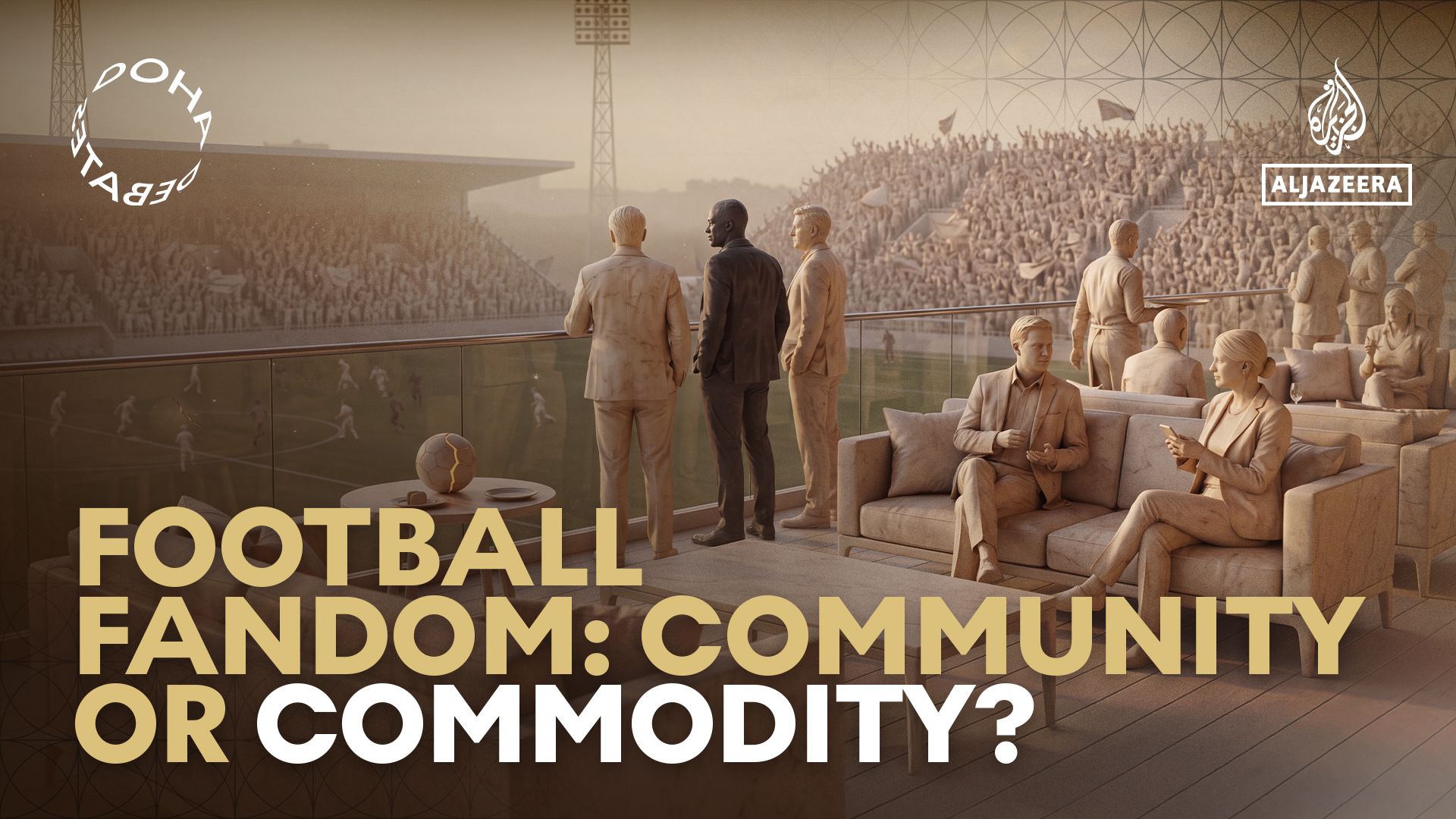
The football landscape has undergone a dramatic transformation over the past two decades as billionaire investors, sovereign wealth funds, and multinational corporations have poured billions into clubs worldwide. This financial revolution has created a new hierarchy in professional football, where spending capacity often determines competitive success, fundamentally altering the traditional relationship between fans and their clubs.
Clubs that once represented local communities and decades of heritage have become assets in global investment portfolios. The ownership structure of major European and Asian football institutions has shifted dramatically, with local stakeholders frequently displaced by international investors seeking returns on their capital. This trend has accelerated dramatically in recent years, raising concerns about whether the sport's traditional foundations can withstand such rapid commercialization.
The financial influx has had tangible consequences for fan engagement and club identity. Record transfer fees and astronomical player salaries have created a widening gap between elite clubs and smaller institutions, while fans increasingly grapple with questions about whether their loyalty should follow historic institutional affiliations or align with new ownership structures and commercial priorities. Some supporters have actively resisted these transformations, while others have embraced the competitive advantages that financial investment provides.
As money continues to reshape professional football's competitive landscape, clubs and governing bodies face mounting pressure to balance commercial imperatives with the preservation of the sport's cultural and community dimensions. The outcome of this tension will likely determine whether football can maintain its role as a unifying social institution in an era of unprecedented financial concentration.