Business · India Bureau
Ford's Amazon Dream: How Industrial Vision Failed in Rainforest
American industrialist Henry Ford's ambitious Fordlandia project in Brazil's Amazon rainforest became a cautionary tale of corporate ambition meeting ecological and cultural resistance. What began as a bold venture to secure rubber supplies ended in abandonment after nearly two decades of losses.
LSN India ·
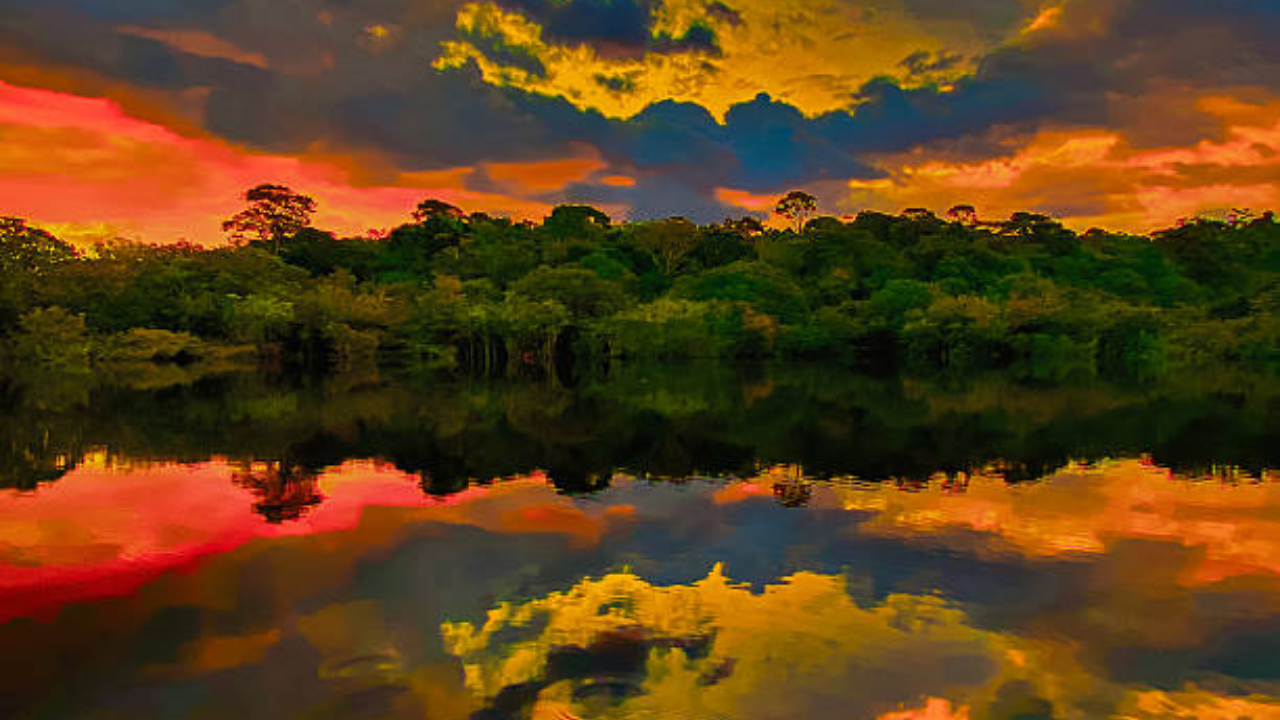
In 1927, Henry Ford established Fordlandia, an elaborate plantation town carved into the Brazilian Amazon, as part of his vertical integration strategy to control rubber supplies for his automobile manufacturing empire. The sprawling operation represented the automotive magnate's attempt to transplant American industrial methods and corporate efficiency into the heart of the world's largest rainforest.
The venture, however, quickly encountered formidable obstacles that Ford's business acumen could not overcome. Local agricultural practices and environmental conditions proved incompatible with the rigid corporate methods imported from the United States. The plantation fell victim to widespread pest infestations and tropical diseases that devastated the rubber trees, undermining the economic foundation of the entire project.
Despite sustained investment over seventeen years, Fordlandia never achieved profitability. The gap between Ford's industrial vision and the harsh realities of Amazon ecology proved unbridgeable. Local resistance to foreign management practices and the region's inherent biological challenges conspired to defeat the ambitious undertaking.
By 1945, Ford abandoned the project, divesting his interests in Fordlandia for $250,000—a fraction of what he had invested. The episode illustrated the limitations of imposing foreign business models on local ecosystems and served as a stark reminder that industrial efficiency, however well-intentioned, cannot always bend nature to corporate will.