World · Bangladesh Bureau
Foreign operator at Chittagong Port: Key details of the agreement
Bangladesh is set to bring in a foreign operator to manage container terminal operations at Chittagong Port, marking a significant shift in the strategic facility's management structure. The move aims to boost efficiency and capacity at the country's busiest seaport.
LSN Bangladesh ·
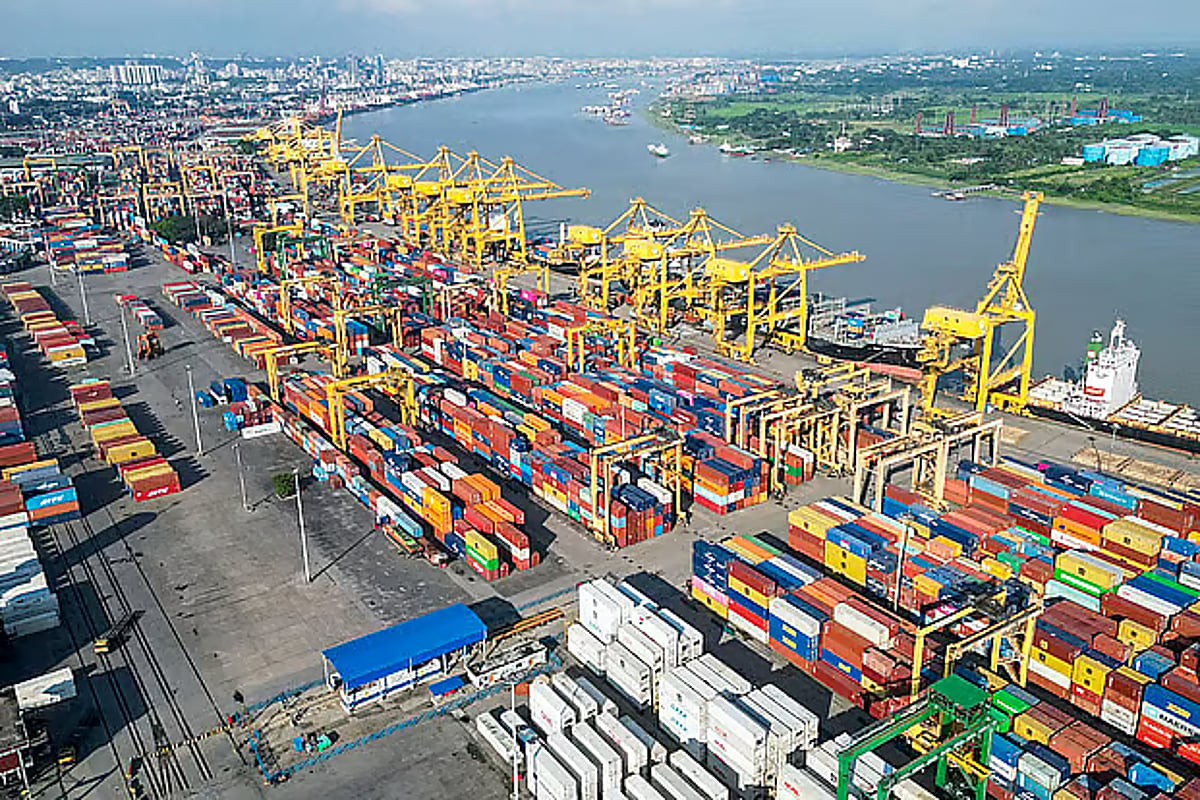
The agreement to engage a foreign operator at Chittagong Port represents one of the most significant decisions regarding the nation's primary maritime gateway in recent years. Under the proposed arrangement, an international terminal operator would assume responsibility for container handling operations, introducing modern practices and technological systems to improve throughput and service quality at the facility that handles the bulk of Bangladesh's containerized cargo.
Proponents of the initiative argue that foreign operator involvement would accelerate modernization efforts at Chittagong Port, which has struggled with capacity constraints and operational delays. Enhanced efficiency could reduce vessel turnaround times, lower logistics costs for exporters and importers, and strengthen Bangladesh's competitiveness in regional shipping routes. The influx of foreign expertise and investment would also facilitate infrastructure upgrades necessary to accommodate larger vessels expected in global container shipping.
However, concerns persist regarding potential impacts on local employment and the transfer of management control to foreign entities. Critics question whether the arrangement adequately protects national interests and whether revenue-sharing terms provide sufficient returns to the government. Labor representatives have raised questions about job security for existing port workers, while some analysts worry that operational decisions may increasingly prioritize commercial efficiency over broader national logistics planning.
The agreement's specific terms—including the contract duration, operational scope, revenue-sharing arrangements, and technology transfer provisions—remain under scrutiny as stakeholders assess the long-term implications for Bangladesh's port sector and broader maritime development strategy.