Politics · India Bureau
Foreign reactor curbs may derail India's nuclear expansion goals
India's plans to dramatically expand nuclear capacity depend on $210 billion in foreign investment over the next two decades, but international restrictions on reactor technology could jeopardize the ambitious tenfold increase.
LSN India ·
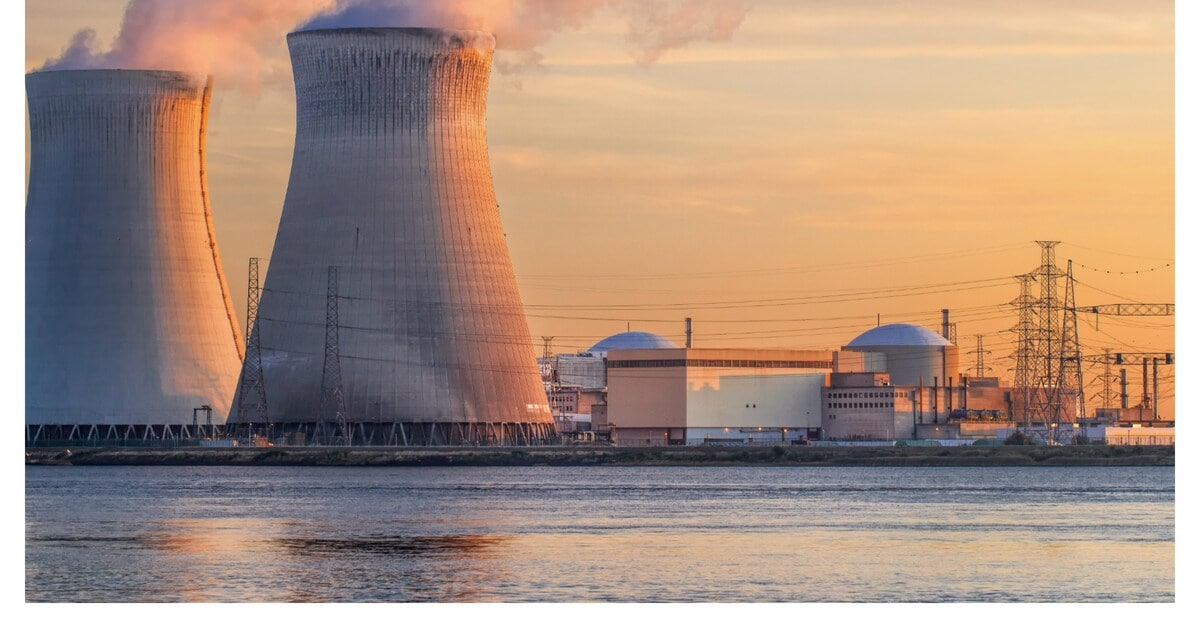
India is banking on a massive influx of foreign capital and technology to transform its nuclear energy sector, with industry estimates projecting around $210 billion in investments needed to meet the nation's expanding power demands. The country has set an ambitious target to raise its nuclear generating capacity to 100 gigawatts over the next twenty years, a dramatic expansion from current levels as New Delhi seeks to balance growth with decarbonization goals.
However, the success of this expansion strategy faces significant headwinds from international constraints on nuclear reactor technology. Access to advanced foreign reactor designs and fuel enrichment capabilities remains restricted through various bilateral agreements and non-proliferation frameworks that limit the transfer of sensitive nuclear know-how to developing nations.
These technological restrictions could substantially increase project costs and timelines, potentially making it difficult for India to attract the scale of investment required. Indigenous reactor development programs have made progress but remain years away from delivering the modern generating capacity that foreign partnerships could provide more rapidly.
Industry analysts warn that without negotiated access to cutting-edge reactor technology and fuel supplies, India's nuclear ambitions may face significant delays and cost overruns. The country's ability to realize its energy security objectives will likely depend on navigating complex international nuclear agreements while developing competitive domestic capabilities.