World · India Bureau
Former IIT Student Exposes Caste Dynamics in Premier Institutes
An alumnus of IIT Madras has revealed how caste hierarchies manifested in subtle ways across the campus during the 1980s, arguing that competitive culture at India's top engineering institutions masked deeper social stratification.
LSN India ·
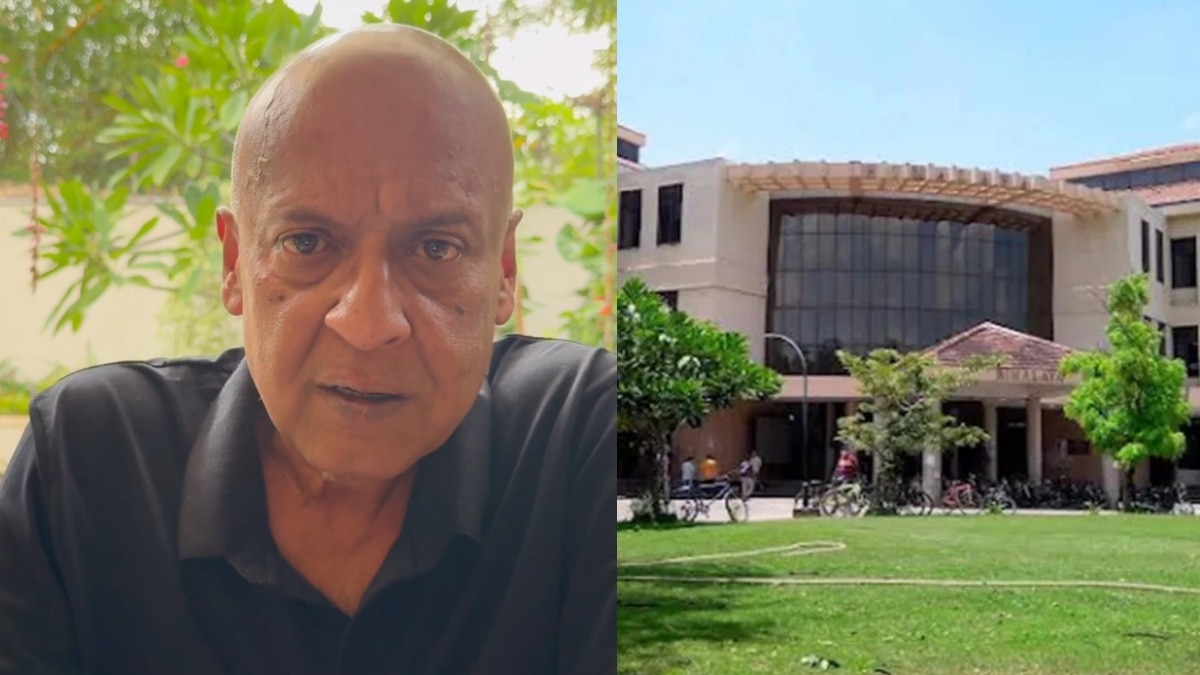
A former student of the Indian Institute of Technology Madras has opened a discussion about caste-based social dynamics that he witnessed on campus during the 1980s, challenging the perception of these prestigious institutions as purely merit-based environments. According to the alumnus, manifestations of caste hierarchy were embedded within the competitive culture that defined campus life, shifting in form across different contexts—from entrance rankings to branch allocations, grade point averages, and ultimately job placements abroad.
The former student recounted an incident in which a physics professor questioned why he, as a computer science student, was taking a physics course, highlighting how academic branches themselves became markers of social stratification. These divisions, he suggested, often correlated with students' social backgrounds, creating informal hierarchies that extended beyond academic performance.
The account sheds light on how competitive environments in elite educational institutions can mask and perpetuate caste-based distinctions. Rather than dismantling traditional hierarchies, the high-pressure atmosphere at IITs may have simply channeled them into contemporary markers of achievement—branch selection, GPA rankings, and access to international employment opportunities.
The testimony adds to broader conversations about social inclusion and equity at India's premier engineering colleges, where entrance examinations and academic merit have long been presented as the sole criteria for advancement. Such accounts suggest that substantive change requires examining not just admission policies but the lived experiences and social dynamics within campus environments.