World · India Bureau
Former Salt Ponds Transform into Thriving Wetland Habitat
A major ecological restoration project has successfully converted abandoned salt production areas into functioning tidal wetlands, with wildlife populations rebounding dramatically. The initiative demonstrates the potential for large-scale habitat recovery in coastal regions.
LSN India ·
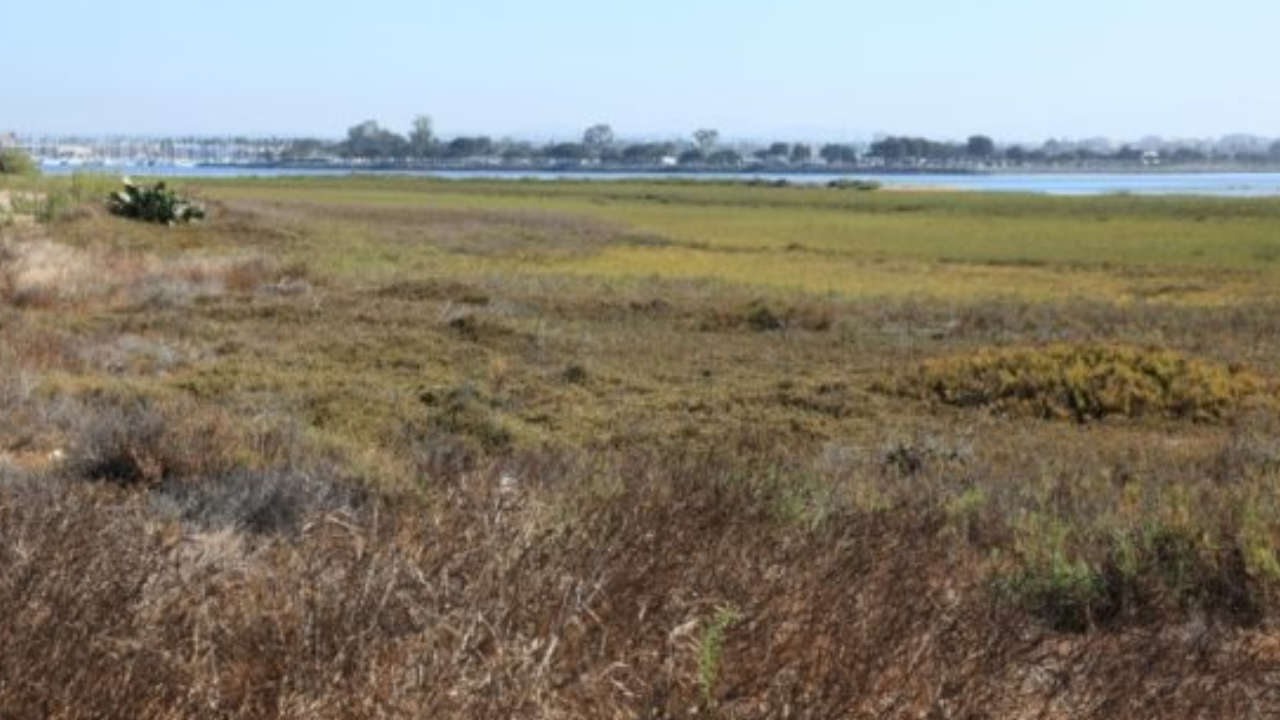
Restoration efforts in South San Diego Bay have yielded significant ecological gains, transforming former salt ponds into productive wetland ecosystems. The project involved reinstating natural tidal flows to areas that had been altered for commercial salt harvesting, allowing the habitat to recover its ecological function and biodiversity.
Wildlife surveys conducted following the restoration work have documented impressive species recovery across multiple taxa. Researchers have identified 80 bird species inhabiting the newly restored wetlands, alongside 22 species of fish and 10 species of invertebrates. These figures indicate a robust return of fauna to an ecosystem that had been heavily degraded by industrial use.
Native vegetation has emerged rapidly following the restoration intervention, with plant species naturally recolonising the restored tidal zones. The quick establishment of native flora serves as a biological indicator of successful ecological recovery and suggests that the restored habitat is functioning within expected parameters.
The project underscores the resilience of coastal ecosystems when natural processes are restored. By reintroducing tidal dynamics and allowing natural succession to occur, managers have created conditions that support diverse wildlife communities. The success in South San Diego Bay offers a model for similar restoration initiatives across coastal wetland regions facing degradation from human use.