World · India Bureau
Former SC judge criticizes media fraternity's muted response to restrictive laws
A retired Supreme Court judge has expressed concern over what he describes as inadequate resistance from the journalism community against laws that constrain press freedom. The comments highlight growing tensions over regulatory frameworks affecting media operations across the region.
LSN India ·
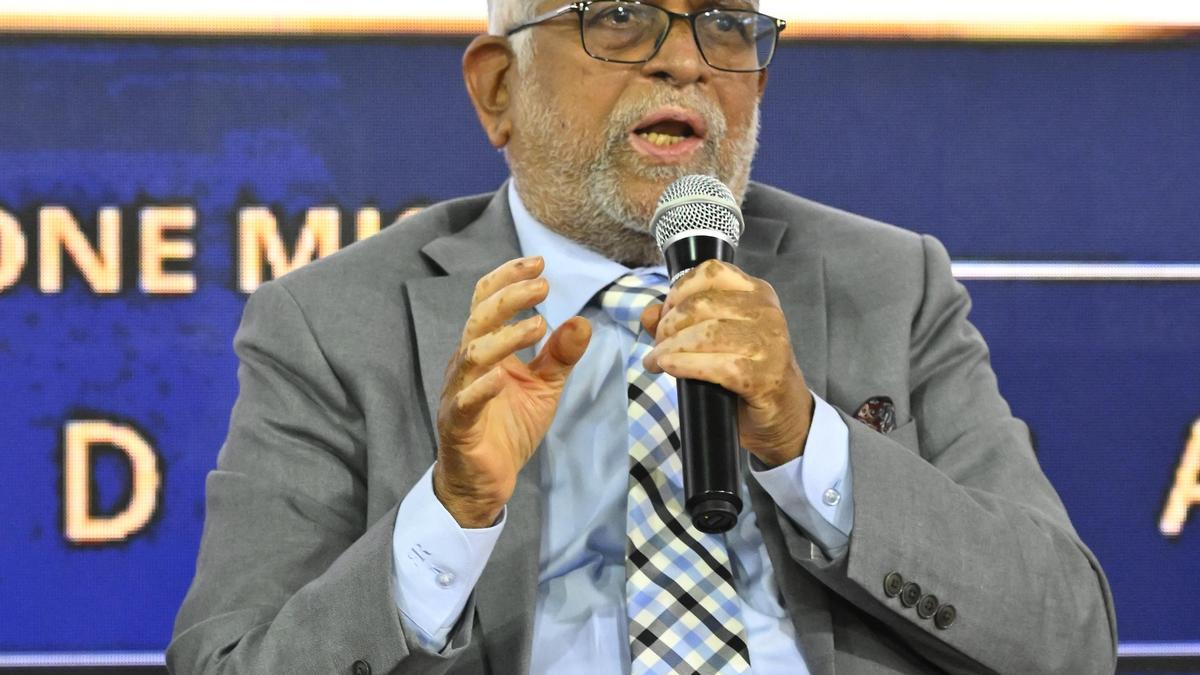
A former judge of India's apex court has drawn attention to what he perceives as insufficient vocal opposition from journalists and media organizations against legislation that restricts press freedom and journalistic activities.
The retired jurist raised the issue during a public forum, emphasizing that the journalism fraternity has not mounted a sufficiently robust response to regulatory measures that could potentially curtail freedom of expression and reporting. He suggested that media professionals have remained largely quiet on matters that directly affect their operational autonomy and constitutional rights.
The remarks come at a time when India continues to grapple with evolving media regulation frameworks and laws that critics argue could compromise journalistic independence. Multiple states and the central government have introduced or amended legislation that media watchdogs contend restricts reporting on certain matters.
Journalism organizations and press bodies in India have previously expressed concerns about the impact of various laws on editorial freedom, though advocates suggest more sustained and visible advocacy is necessary. The former judge's intervention underscores broader debates within legal and media circles about the adequacy of institutional responses to regulatory pressures.
Media freedom remains a key indicator of democratic health, and ongoing discussions about the balance between regulation and journalistic autonomy continue to dominate policy discourse in South Asia.