World · Bangladesh Bureau
Fortified Foods Emerge as Key Tool Against Hidden Hunger in Region
Micronutrient deficiencies remain a persistent challenge for child development across South and Southeast Asia, with fortified food products offering a scalable solution to address malnutrition that often goes undetected.
LSN Bangladesh ·
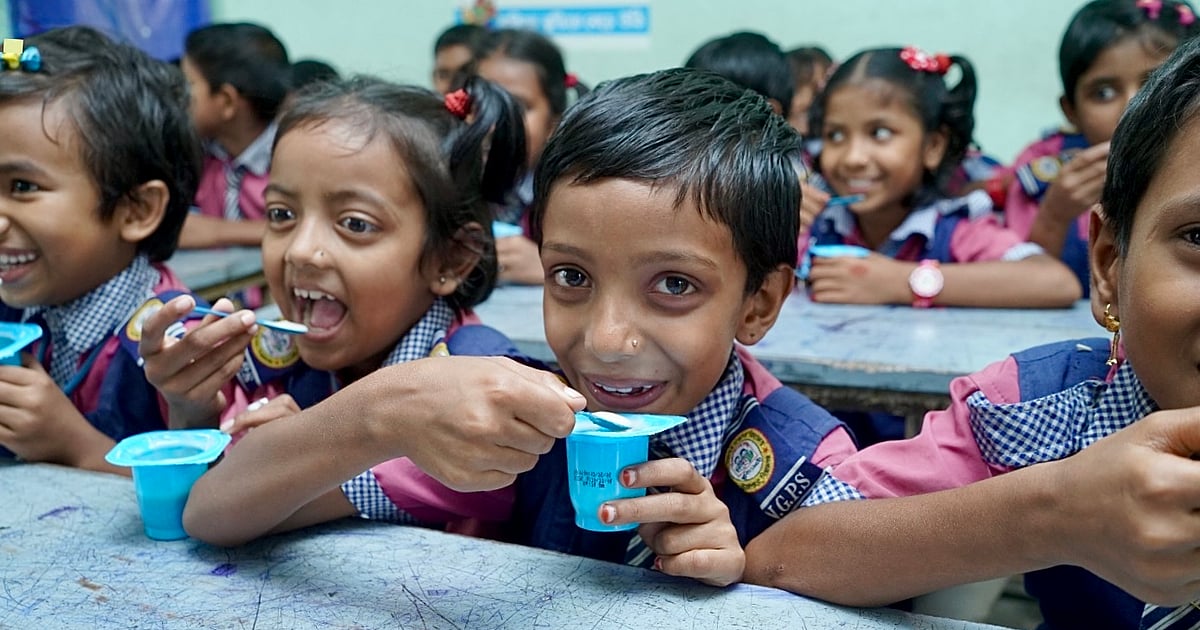
Despite improvements in food availability, millions of children across South and Southeast Asia suffer from hidden hunger—a condition where individuals consume adequate calories but lack essential vitamins and minerals necessary for proper growth and cognitive development. This form of malnutrition, often invisible to the naked eye, undermines health outcomes and educational performance across the region, affecting children from both rural and urban communities.
Nutrition experts increasingly point to food fortification as a practical intervention strategy to bridge micronutrient gaps at population scale. By adding essential nutrients such as iron, iodine, vitamin A, and B vitamins to staple foods including rice, flour, and cooking oils, fortification programs can reach large segments of the population without requiring significant behavioral changes. Several countries in the region have already implemented mandatory fortification standards for basic food commodities, demonstrating measurable improvements in micronutrient status among vulnerable populations.
The effectiveness of fortified foods depends on consistent quality standards, appropriate regulatory oversight, and adequate consumer awareness. Public health authorities have emphasized the importance of monitoring fortified food programs to ensure products meet nutritional specifications and that distribution reaches the most disadvantaged communities. Combined with complementary interventions such as dietary diversity promotion and targeted supplementation for high-risk groups, fortification represents a sustainable component of comprehensive nutrition strategies.
Regional nutrition bodies continue to advocate for strengthened fortification policies and investment in food systems that can deliver nutritious options to children across varied socioeconomic contexts. As evidence accumulates on the impact of these interventions, policymakers face increasing pressure to scale successful models while addressing implementation challenges in resource-constrained settings.