World · India Bureau
Four Major Fasting Festivals Approach for Married Women Across India
With Diwali season approaching, married women across India are preparing for several significant religious observances. The festival calendar includes multiple fasting traditions that hold deep cultural and spiritual significance for households.
LSN India ·
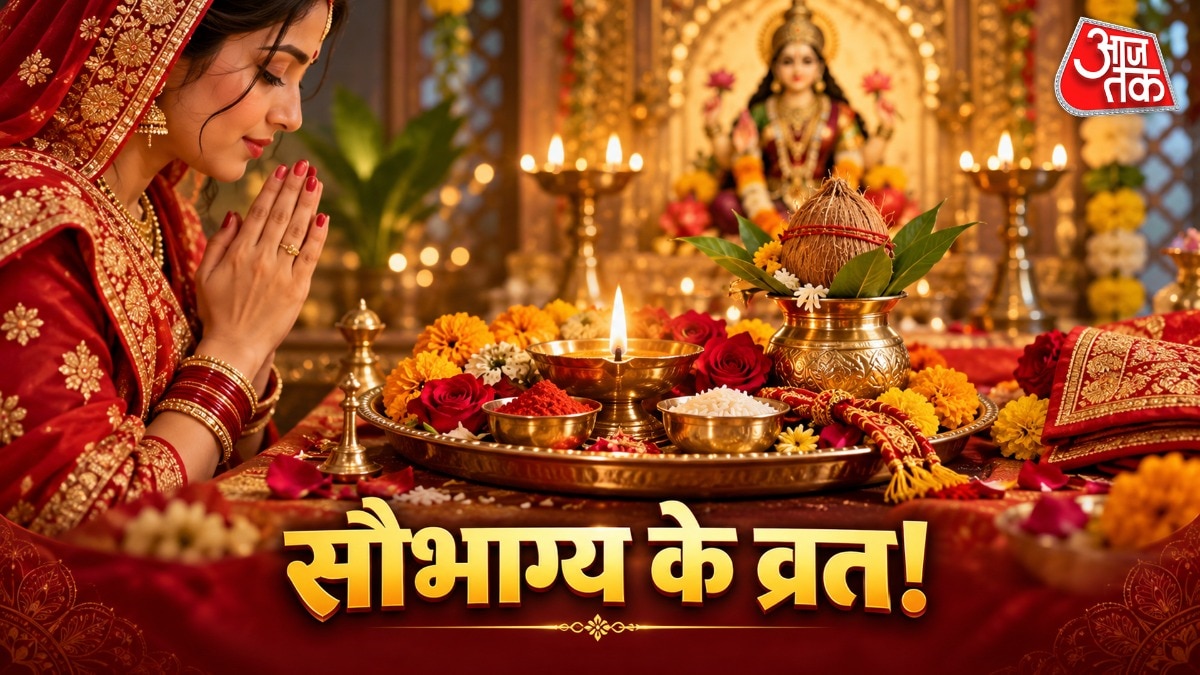
The festive period between autumn and early winter brings a series of important occasions that hold particular significance for married women in Indian households. Following the Dussehra celebrations, the festival season accelerates with Diwali, Dhanteras, and Bhai Dooj on the horizon, each accompanied by distinct ritual practices and observances.
Among the most anticipated occasions is Karva Chauth, a significant fasting festival observed by married women seeking the wellbeing and longevity of their spouses. This is followed by Ahoi Ashtami, another important fasting ritual dedicated to the welfare of children and family prosperity. The cycle continues through the major festivals, each marked by devotional practices and traditional customs passed down through generations.
For many households across India, these festivals represent more than religious observances—they embody family values and the bonds within marriages. The anticipation surrounding these occasions begins months in advance, with women eagerly awaiting the arrival of each festival. The period reflects the deep-rooted cultural traditions that continue to define family life and social customs across Indian communities.
These fasting traditions, observed with varying regional interpretations, remain integral to the cultural calendar and family practices nationwide. The upcoming season will see renewed participation from married women observing these time-honored customs that connect them to broader community traditions and family heritage.