World · India Bureau
Fourth-century emperor's palatial bathhouse discovered with multiple pools
Archaeologists have uncovered remnants of an elaborate bathing complex dating to around AD 310, featuring three distinct pools and a sauna facility. The discovery offers insights into the luxury and sophisticated engineering of the era.
LSN India ·
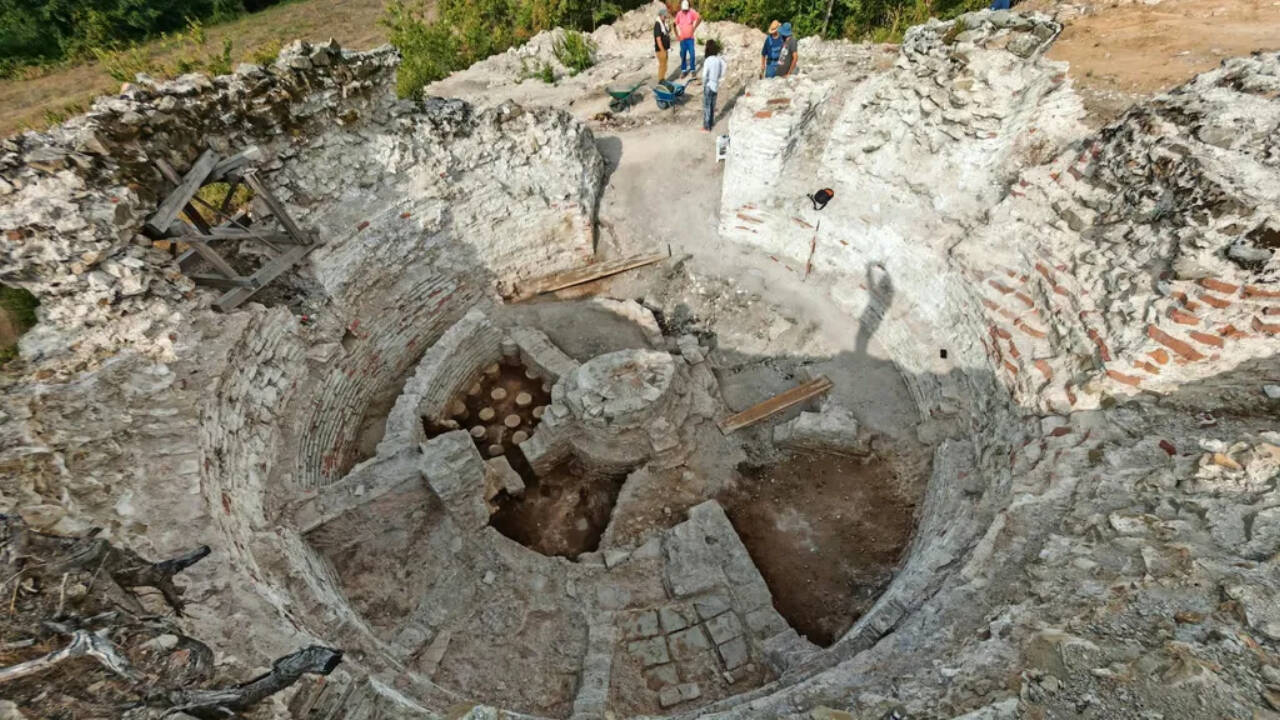
Excavations have revealed the architectural remains of a grand bathhouse constructed during the early fourth century AD, believed to have been commissioned by a ruling emperor of the period. The sprawling complex showcases the opulence and advanced construction techniques characteristic of imperial palaces during antiquity.
The facility comprised three separate bathing pools alongside a dedicated sauna area, indicating a high degree of specialization in leisure and wellness amenities. The multi-chambered design suggests careful planning to accommodate different bathing temperatures and experiences, reflecting both engineering sophistication and the elevated status of its intended users.
Archaeological examination of the ruins demonstrates the empire's command of resources and architectural expertise during this historical period. The bathhouse features point to a well-developed understanding of water management systems, heating mechanisms, and structural design that would have required skilled craftsmen and significant investment.
The discovery adds to scholars' understanding of imperial life and daily customs in the fourth century AD. Such palatial bathing complexes were hallmarks of elite Roman-era civilizations, serving not merely as functional structures but as symbols of power, wealth, and cultural refinement.
Further analysis of the site is expected to yield additional artifacts and details about the complex's construction techniques and the daily life of those who frequented this lavish establishment.