Technology · World News Bureau
Fragmented global power complicates response to emerging AI threats
As artificial intelligence creates unprecedented security challenges, experts warn that weakened international cooperation mechanisms leave the world increasingly vulnerable. The absence of coordinated governance structures raises questions about how nations can collectively manage technological risks.
LSN World News ·
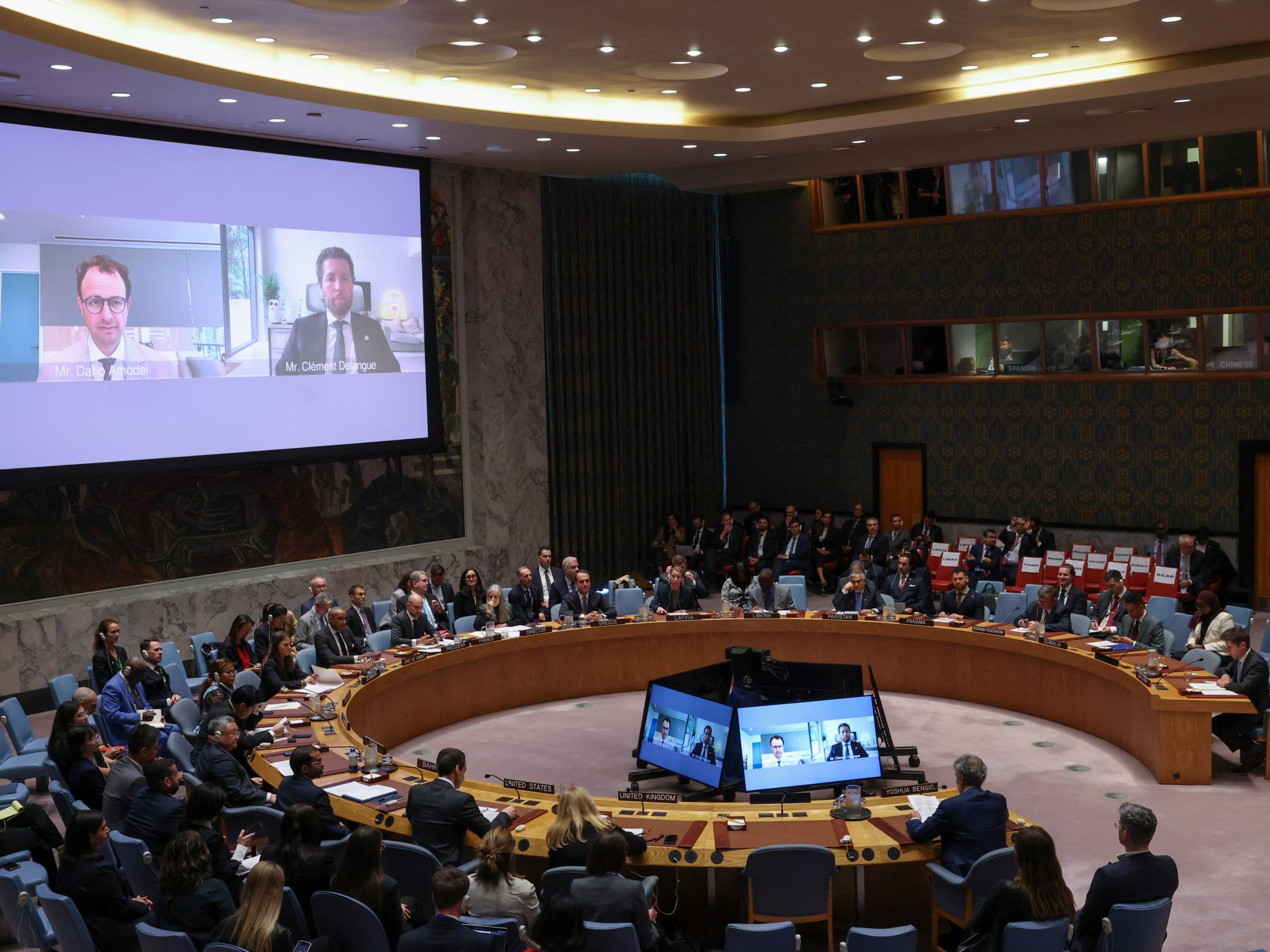
The emergence of advanced artificial intelligence technologies has exposed critical gaps in global governance at a moment when international institutions are struggling with fractured power dynamics. Unlike previous technological revolutions, AI development outpaces the ability of traditional multilateral frameworks to establish unified safeguards, leaving nations to pursue divergent regulatory approaches.
Geopolitical tensions have further complicated efforts to establish common standards. Major powers pursue competing interests in AI advancement, making consensus-building increasingly difficult. Meanwhile, developing nations struggle to ensure their voices are heard in discussions that will affect their citizens and economies.
Experts argue that the current international system lacks the cohesion necessary to address borderless technological threats effectively. Traditional alliance structures and multilateral organizations, already strained by other global challenges, face pressure to rapidly develop policies governing AI applications in military, surveillance, and critical infrastructure contexts.
The stakes extend beyond any single nation's borders, as autonomous systems, algorithmic decision-making, and synthetic content generation can rapidly spread across regions. Without coordinated governance frameworks, the risks of miscalculation, security breaches, and digital weaponization intensify significantly.
International observers emphasize that establishing baseline agreements on AI safety remains urgent. Whether fragmented global leadership can mobilize sufficient consensus to create meaningful cooperative mechanisms before emerging threats cascade remains an open question.