World · World News Bureau
France's civil unrest reflects deeper political and social fractures
Recent rioting across France signals underlying tensions in the nation's political system and society at large, extending far beyond isolated incidents of street violence. Analysts point to systemic divisions as a root cause of the country's current instability.
LSN World News ·
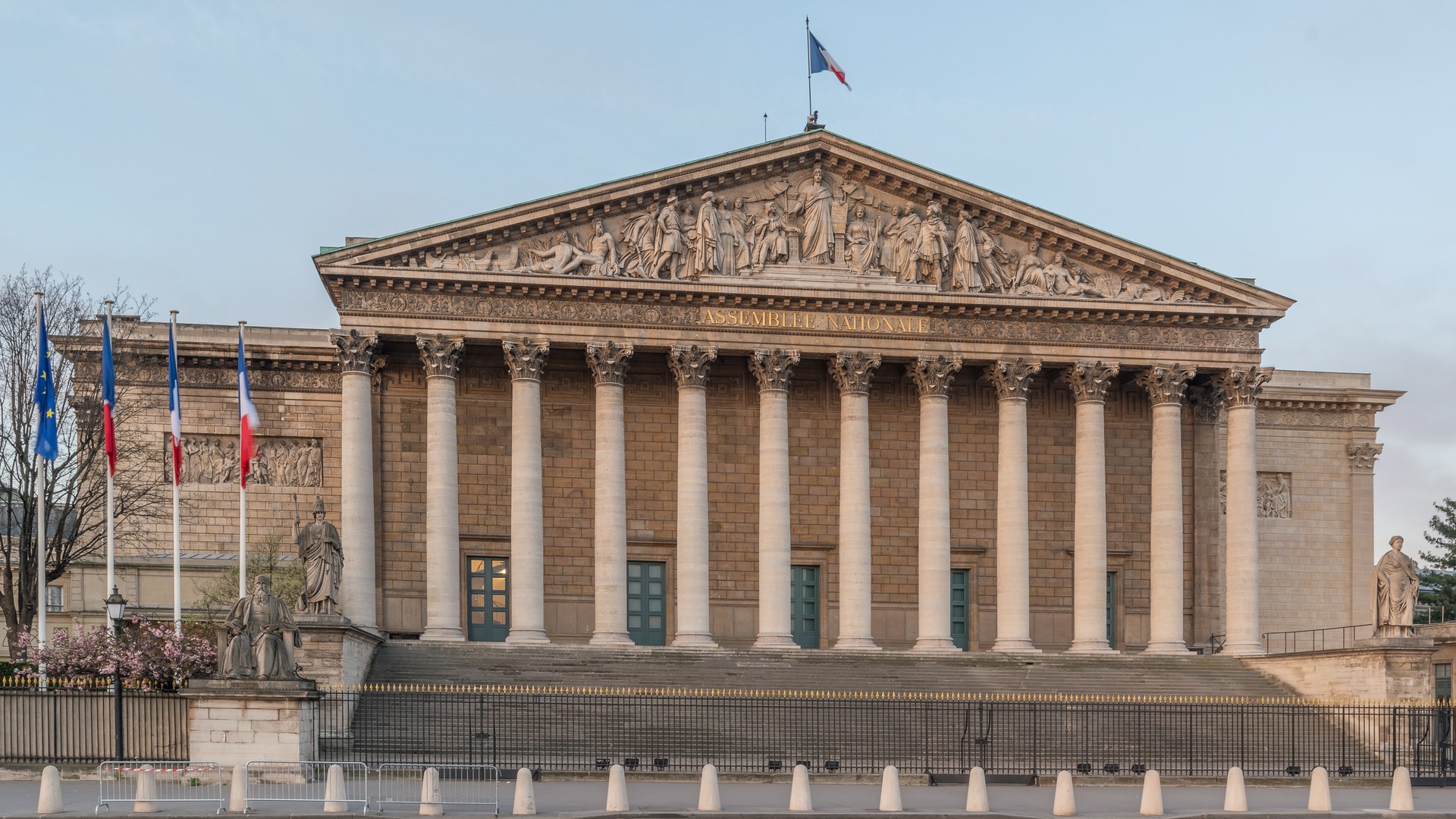
France has experienced widespread civil unrest in recent weeks, with riots erupting across multiple cities and regions. Rather than representing isolated incidents, these disturbances reflect broader structural challenges facing French society, according to observers monitoring the situation.
The outbreaks of violence underscore significant fractures within the French political establishment and among the general public. Long-standing grievances related to economic inequality, social services, and representation in government appear to have reached a critical threshold, prompting citizens to take to the streets.
Political analysts suggest that the current crisis encompasses more than law-and-order concerns. The disturbances reveal deep-seated disconnects between ordinary citizens and their elected representatives, raising questions about the effectiveness of existing governance structures and policy responses.
As French authorities work to restore order, policymakers face mounting pressure to address the underlying conditions that have sparked unrest. Experts warn that without substantive reform addressing public concerns and restoring confidence in institutions, the cycle of tension and disruption may continue to pose challenges for the nation's stability and social cohesion.
Photo: The Palais Bourbon, seat of France's National Assembly, Paris, April 2014. DXR via Wikimedia Commons (public domain).