Business · India Bureau
From chai culture to tech hub: Hyderabad's five-decade transformation
Hyderabad has undergone a dramatic metamorphosis over the past 50 years, evolving from a leisurely city of neighborhood cinemas and street-corner gatherings into a global technology and business powerhouse. The twin cities have shed their unhurried character to become a beacon for artificial intelligence, Global Capability Centers, and modern infrastructure.
LSN India ·
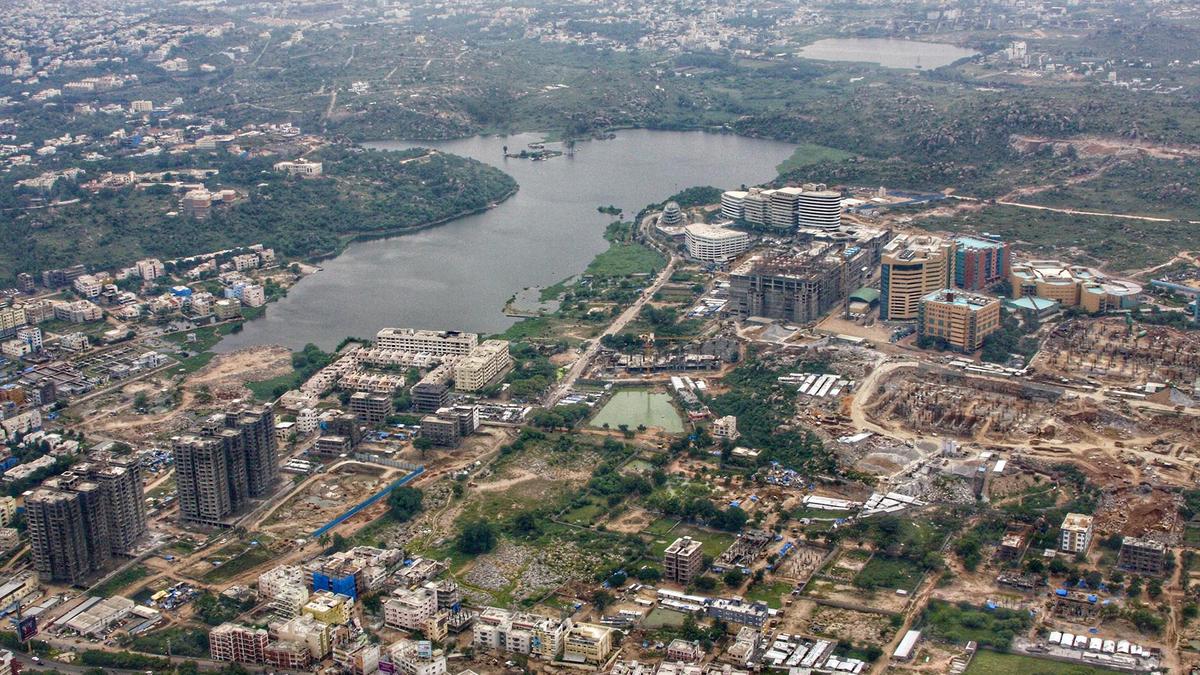
The Hyderabad of previous generations bore little resemblance to today's sprawling metropolis. Once defined by the rhythm of neighbourhood cinema halls, casual tea conversations, and the distinct identity of its twin cities, the urban landscape has undergone wholesale transformation driven by technology, commerce, and rapid migration.
The shift began with the city's early foray into the computing sector, which laid the foundation for what would become one of India's premier technology destinations. Over subsequent decades, enterprise and investment steadily reshaped Hyderabad's economic base, drawing talent and businesses from across the country and beyond. The arrival of multinational corporations and tech startups accelerated the pace of change, creating new employment hubs and attracting a younger, more mobile workforce.
Today, Hyderabad's skyline tells the story of this reinvention. Towering business districts now dominate areas that once housed modest residential quarters. Global Capability Centers have become fixtures of the city's economy, while artificial intelligence and emerging technologies promise further evolution. Infrastructure development—from metro systems to IT corridors—has fundamentally altered how residents navigate and inhabit the city.
While this growth has brought prosperity and positioned Hyderabad as a global economic player, it has also erased much of the city's historical character. The leisurely pace of life, the intimacy of community spaces, and the distinctive culture of the twin cities have largely given way to the demands and rhythms of a modern metropolis. The transformation serves as a testament to India's broader shift toward urbanization and technological advancement, though not without the loss of older ways of living.