World · India Bureau
From Crisis to Community: Food Initiative Distributes 4 Million Meals
A food initiative born from pandemic-era crisis has distributed over 4 million meals to vulnerable communities across the United States. The Migrant Kitchen prioritizes culturally appropriate cuisine and employs primarily immigrant staff, addressing both food insecurity and economic opportunity.
LSN India ·
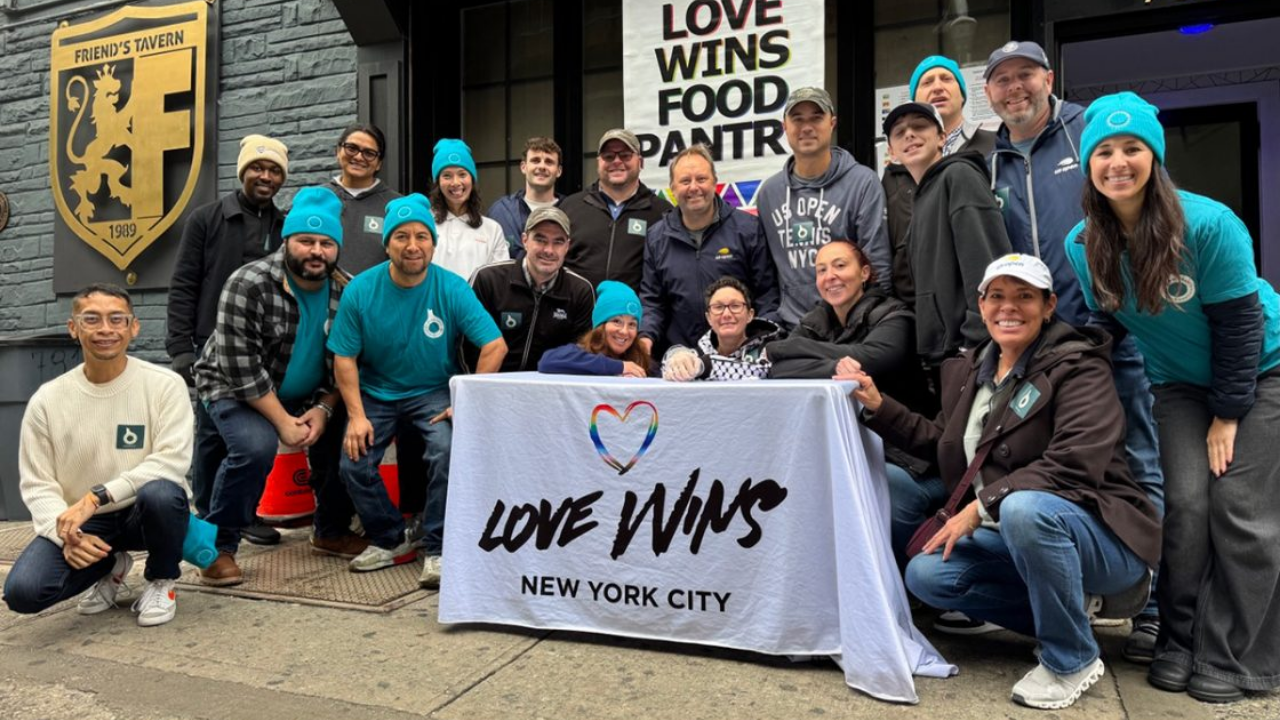
The Migrant Kitchen emerged from an unexpected setback when a New York-based founder faced thousands of cancelled catering orders as lockdowns swept across the United States in 2020. Rather than abandon the prepared meals, the initiative pivoted to serve healthcare workers battling the pandemic on the frontlines. This early response laid the groundwork for a sustainable model addressing food insecurity in underserved communities.
What distinguished The Migrant Kitchen from conventional food aid programs was its commitment to providing culturally relevant meals rather than generic emergency rations. The organization recognized that food security extends beyond calorie provision to include dignity and cultural identity for the communities it serves. This approach resonated deeply with vulnerable populations facing compounded economic hardship.
The initiative has grown substantially, now employing approximately 100 individuals, predominantly immigrants who bring their own culinary expertise and lived experience to the work. This employment model ensures that the organization mirrors and genuinely understands the needs of the communities it supports. Staff members have become integral to both meal preparation and community outreach efforts.
Building on its success in New York City, The Migrant Kitchen has expanded operations into Philadelphia, scaling up daily meal distribution to thousands of recipients. The organization continues to enhance its emergency meal delivery infrastructure while maintaining its foundational principle that food assistance must be dignified, culturally competent, and community-driven. The cumulative impact—4 million meals distributed—underscores the significant gap in food security infrastructure across major American cities.