Culture & Entertainment · India Bureau
From Gujarat harvests to global stages: The evolution of Garba and Dandiya Raas
What began as ritualistic folk dances celebrating agricultural cycles in Gujarat has transformed into internationally recognised symbols of Navratri festivities, retaining their cultural distinctiveness while gaining worldwide appeal.
LSN India ·
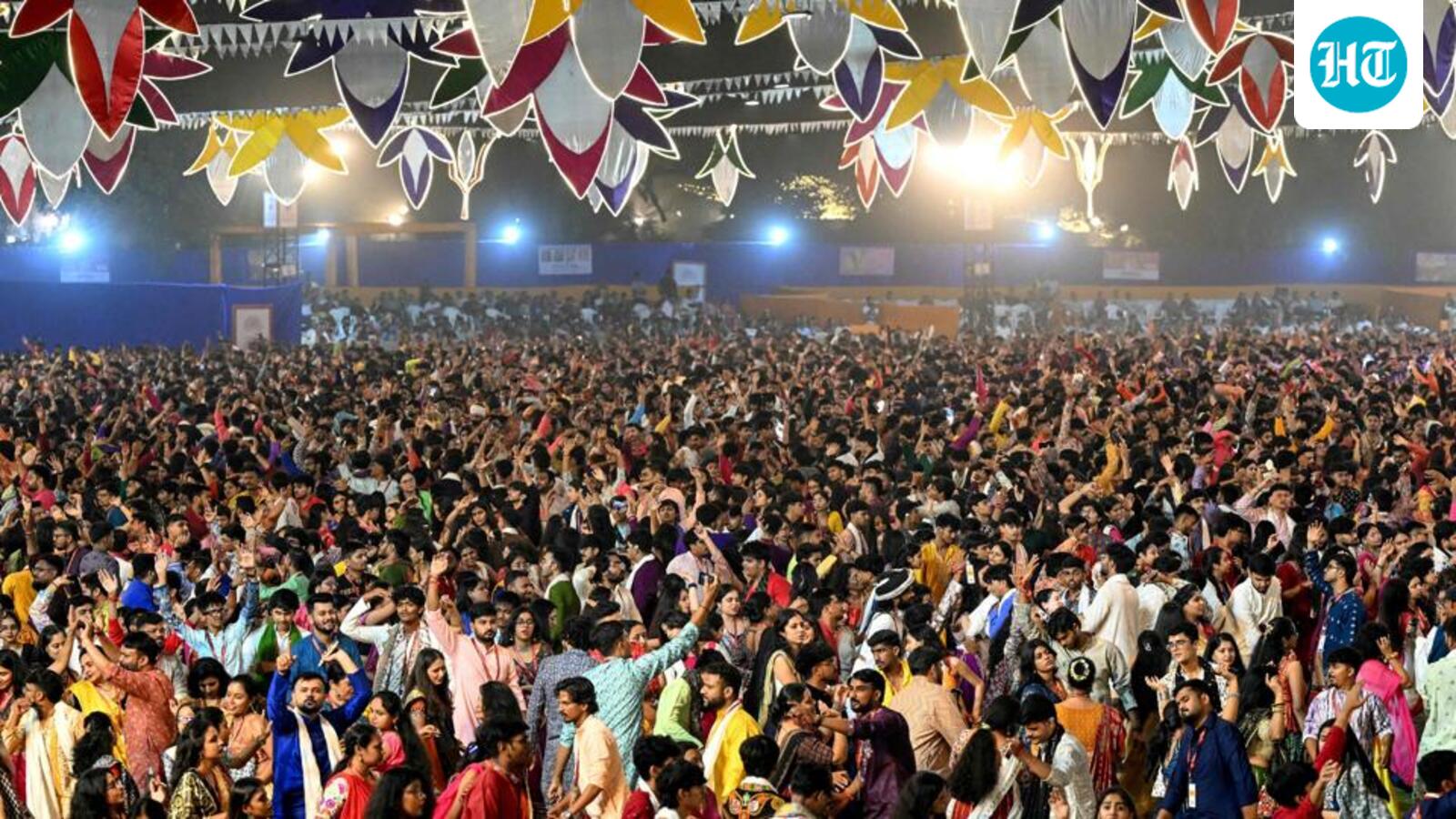
Garba and Dandiya Raas, the vibrant circular dances now synonymous with Navratri celebrations across India and beyond, originated in the agrarian communities of Gujarat as expressions of gratitude during harvest seasons. These traditional forms emerged from the daily lives of farmers and herders who used rhythmic movement and music to mark the cycles of cultivation and prosperity, creating a social fabric that bound communities together during festive occasions.
The two dance forms, while often performed together in contemporary celebrations, maintain distinct historical identities. Garba, characterised by its circular patterns and hand-clapping rhythm, evolved from the devotional practices surrounding the worship of the divine feminine. Dandiya Raas, distinguishable by the use of wooden sticks, developed as a separate but complementary tradition that gradually became integrated into the broader Navratri festivities of the region.
Over centuries, these dances remained largely confined to Gujarat's cultural landscape, passed down through generations as essential components of harvest celebrations and religious observances. However, migration patterns, cultural exchange, and increasing globalisation in recent decades have propelled Garba and Dandiya Raas far beyond their geographical origins. Today, these traditional forms serve as cultural ambassadors, with communities worldwide adopting and adapting the dances for Navratri celebrations.
While Garba and Dandiya Raas have achieved unprecedented global visibility, they continue to preserve their fundamental characteristics and spiritual significance. Modern adaptations have introduced contemporary music and modified choreography, yet the essence of these dances—their connection to harvest cycles, devotional expression, and community participation—remains recognisable. This balance between tradition and evolution has enabled these Gujarati folk traditions to thrive as living cultural practices rather than static historical artifacts, securing their place in both Indian heritage and international cultural discourse.