World · India Bureau
From modest beginnings to garba icon: Falguni Pathak's rise
Falguni Pathak's journey from performing at small-scale events for minimal fees to becoming India's most recognizable garba artist exemplifies perseverance and cultural dedication. The singer's decades-long career has made her synonymous with Gujarati folk dance traditions.
LSN India ·
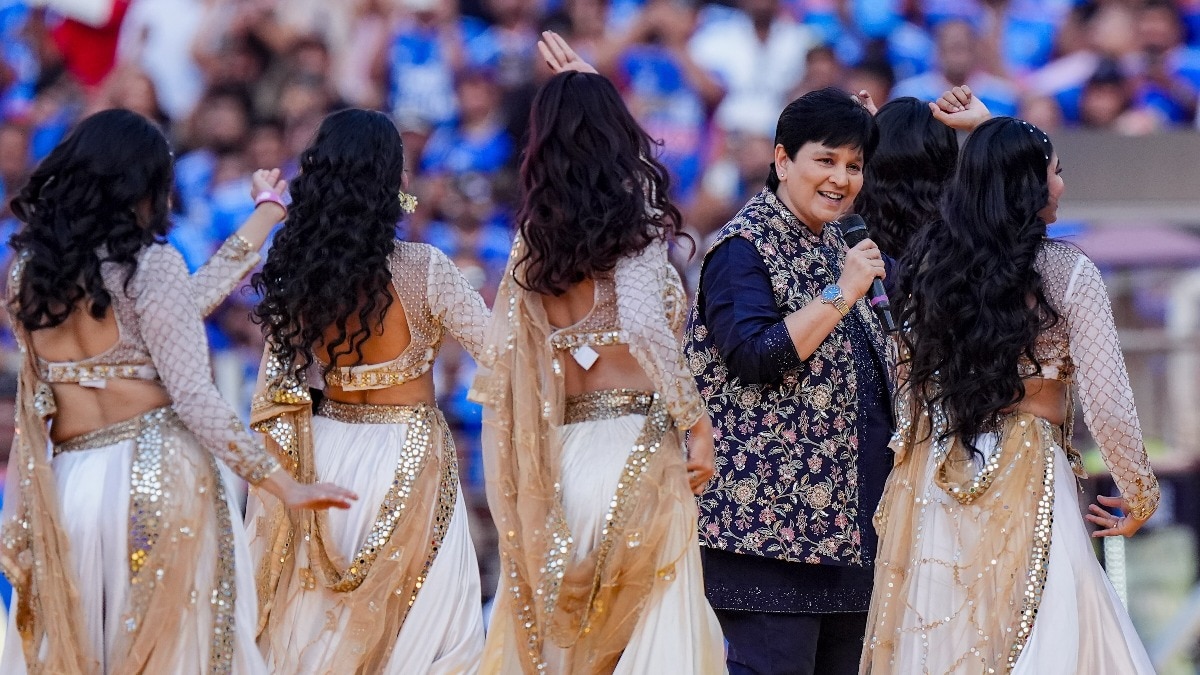
Falguni Pathak began her professional career performing at local garba events across Gujarat, earning modest sums that reflected the limited commercial scope of the tradition during the 1980s and 1990s. Her early performances at community gatherings and smaller venues required significant travel and effort for compensation that barely covered expenses, yet she remained committed to perfecting her craft and connecting with audiences.
Over the years, Pathak's distinctive style and energetic performances began attracting larger crowds. Her ability to blend traditional garba with contemporary musical elements helped revitalize interest in the centuries-old Gujarati dance form among younger generations, both within Gujarat and across the Indian diaspora.
Pathak's breakthrough came as garba gained prominence during the festive season and at celebrations nationwide. Her albums and live performances became integral to Navratri festivities, transforming garba from a regional cultural practice into a pan-Indian phenomenon. Her iconic status was cemented through television appearances, concert tours, and recordings that reached millions of listeners.
Today, Falguni Pathak is recognized as the undisputed queen of garba, commanding significant performance fees and maintaining a packed schedule during the festive season. Her trajectory from humble beginnings to cultural icon reflects both her artistic excellence and the growing global appreciation for India's traditional dance forms. The artist continues to perform extensively while also mentoring younger performers in garba traditions.