World · India Bureau
From post-9/11 suspicion to political power: Muslim Americans reshape US politics
Two decades after the September 11 attacks, Muslim Americans have navigated deep-rooted prejudice and discrimination to emerge as an increasingly influential political force. The community's journey from widespread suspicion to active participation in electoral politics marks a significant shift in American civic engagement.
LSN India ·
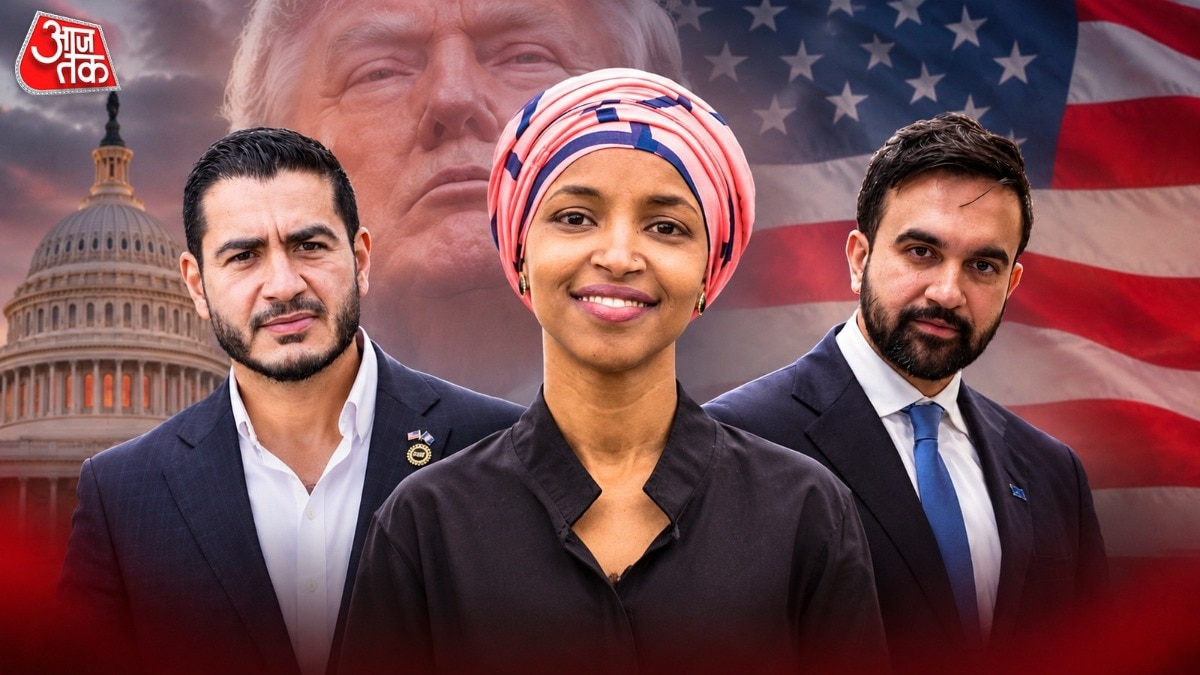
The aftermath of the 9/11 terrorist attacks presented an unprecedented challenge for Muslim communities across the United States. Caught between maintaining their religious identity and asserting their place as American citizens, Muslims faced a widening chasm of mistrust. The war on terror, launched in response to the attacks, increasingly manifested as suspicion and bias directed at an entire faith community rather than toward specific threats.
In the years following 2001, institutional discrimination and social prejudice became persistent obstacles for American Muslims. Profiling at airports, workplace discrimination, and surveillance programs disproportionately affected the community. Political discourse often conflated Islam with terrorism, creating a climate of fear that extended from law enforcement to everyday social interactions.
Despite these formidable barriers, Muslim Americans have gradually built political capital and representation. Community organizations focused on civic education and voter mobilization, gradually shifting the narrative from victimization to active participation. This strategic engagement reflected a broader realization that political power offered a pathway to address systemic discrimination and shape policies affecting their communities.
The transformation from marginalization to political influence represents a defining evolution in American Muslim experience. As candidates of Muslim faith increasingly contest elections at local, state, and national levels, the community demonstrates its determination to claim space in American democracy. This trajectory underscores how marginalized communities can transform historical injustice into political momentum, fundamentally altering the nation's political landscape.