Politics · Malaysia Bureau
From Shahbandar to Premier: Tun Abdul Razak's Historic Rise
Tun Abdul Razak Hussein, who served as Pahang's tenth Orang Kaya Indera Shahbandar, ascended to become Malaysia's second Prime Minister, marking a remarkable trajectory from traditional nobility to the nation's highest office.
LSN Malaysia ·
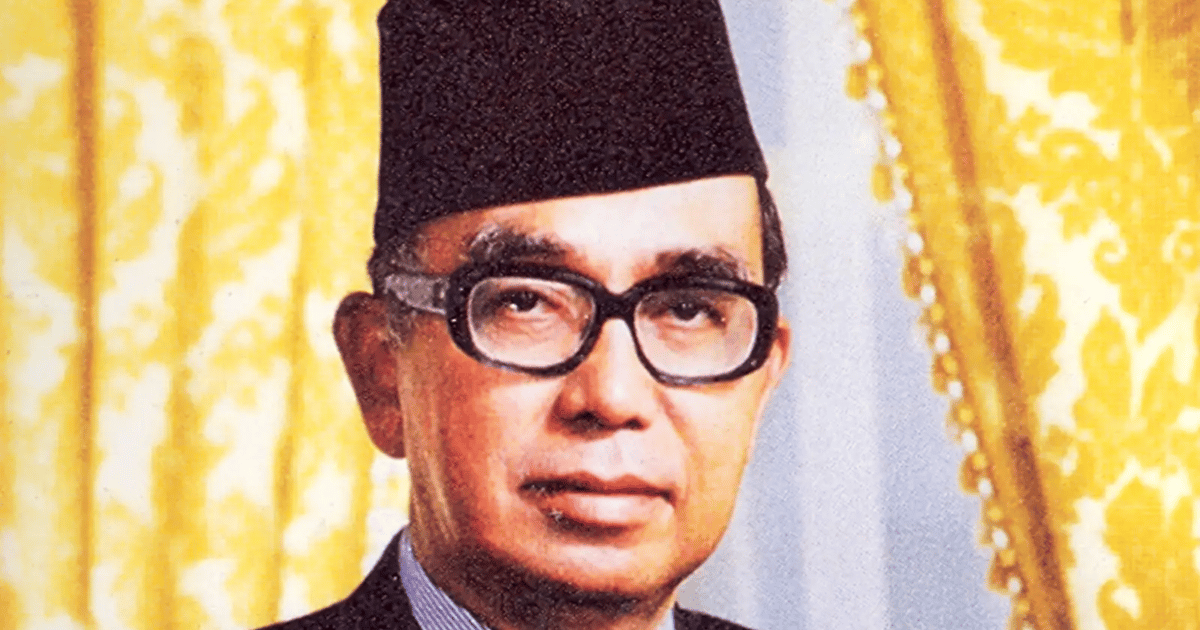
Tun Abdul Razak's career represents a significant bridge between Malaysia's traditional sultanate structures and modern governance. His appointment as Orang Kaya Indera Shahbandar—a prestigious court position historically held by senior Pahang nobles—reflected his standing within the state's established hierarchy before his transition to the federal political sphere.
The role of Shahbandar, traditionally overseeing state affairs and serving as a trusted advisor to the Sultan, positioned Tun Abdul Razak within Pahang's upper echelon. This appointment demonstrated the respect and confidence he commanded among the royal household, providing him with invaluable administrative experience and political influence at the state level.
His eventual ascension to the Prime Minister's office in 1970 represented a watershed moment for Malaysian politics, as he brought to the role both his deep understanding of constitutional monarchy and his commitment to nation-building during a critical period following the 1969 racial riots. As Prime Minister, Tun Abdul Razak implemented major economic policies and consolidated the nation's federal structures.
Tun Abdul Razak's journey from Shahbandar to Prime Minister underscores the evolution of Malaysian leadership during the country's formative post-independence years, when individuals from traditional power structures increasingly shaped modern institutional frameworks.