Politics · India Bureau
From South African Mine to British Crown: The Cullinan Diamond's Royal Journey
One of the world's largest diamonds, discovered at a South African mine in 1905, was masterfully cut and incorporated into Britain's most sacred royal regalia. The transformation of the 3,106-carat Cullinan diamond into multiple gemstones remains a landmark achievement in diamond craftsmanship.
LSN India ·
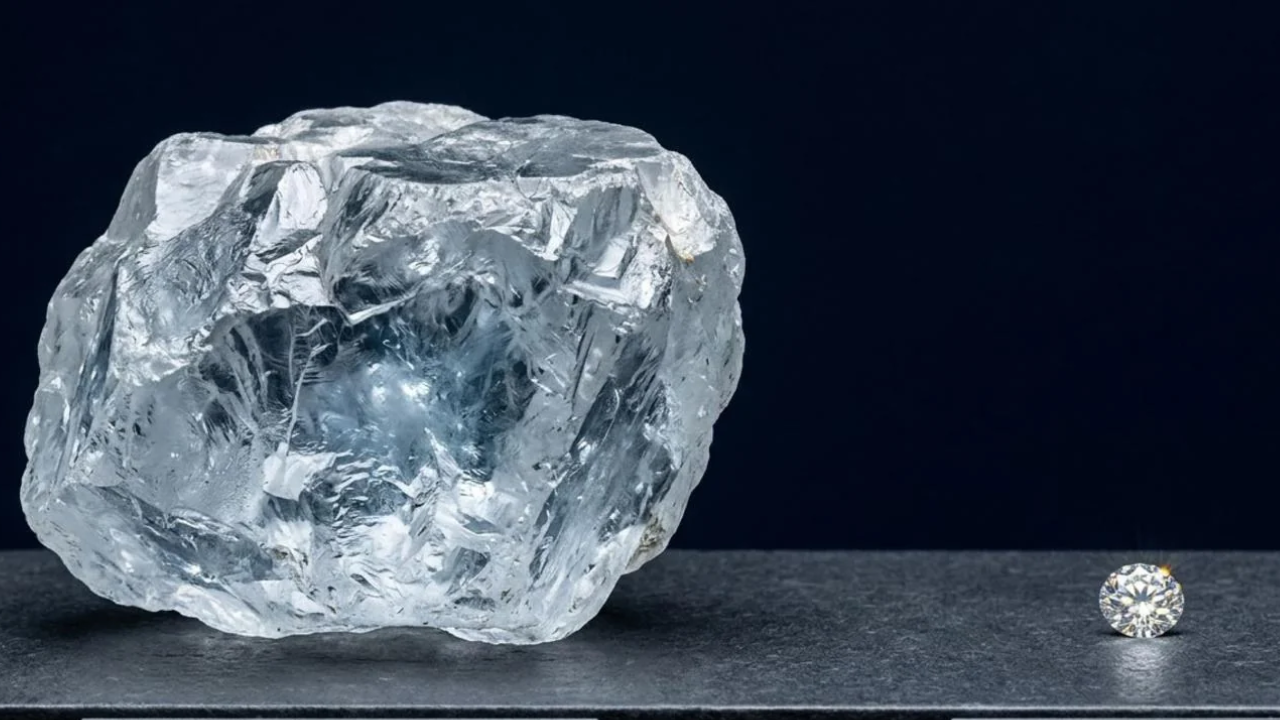
The discovery of an exceptional 3,106-carat diamond at the Premier Mine in South Africa in 1905 captured global attention. Frederick Wells, working at the mine, uncovered what would become one of the largest diamonds ever found, immediately recognising its extraordinary significance.
The Transvaal government acquired the stone and presented it to King Edward VII, recognising its historical and symbolic value to the British Crown. The decision set in motion an ambitious cutting and polishing operation that would take eight months to complete, requiring master craftsmen to carefully transform the rough stone into multiple finished gemstones.
The cutting process yielded several notable pieces that would enhance the British royal collection. Among these, the largest resulting stone achieved particular prominence in royal history. Following King Edward VII's death, this principal gem found its place in the Sovereign's Sceptre, one of the most important objects in the British Crown Jewels ceremony.
The Cullinan diamond's journey from South African earth to British royal insignia exemplifies both the geological wonder of natural diamonds and the technical mastery of gem cutters. The stone remains a testament to the skill of artisans who transformed a rough crystalline giant into pieces worthy of the monarchy's most formal occasions.