World · India Bureau
FSSAI Issues Fresh Guidelines For Perishable Food Storage And Transport
India's food safety regulator has rolled out stricter protocols for handling dairy and animal products to prevent contamination and spoilage. The advisory targets paneer, khoa, meat and fish across the supply chain.
LSN India ·
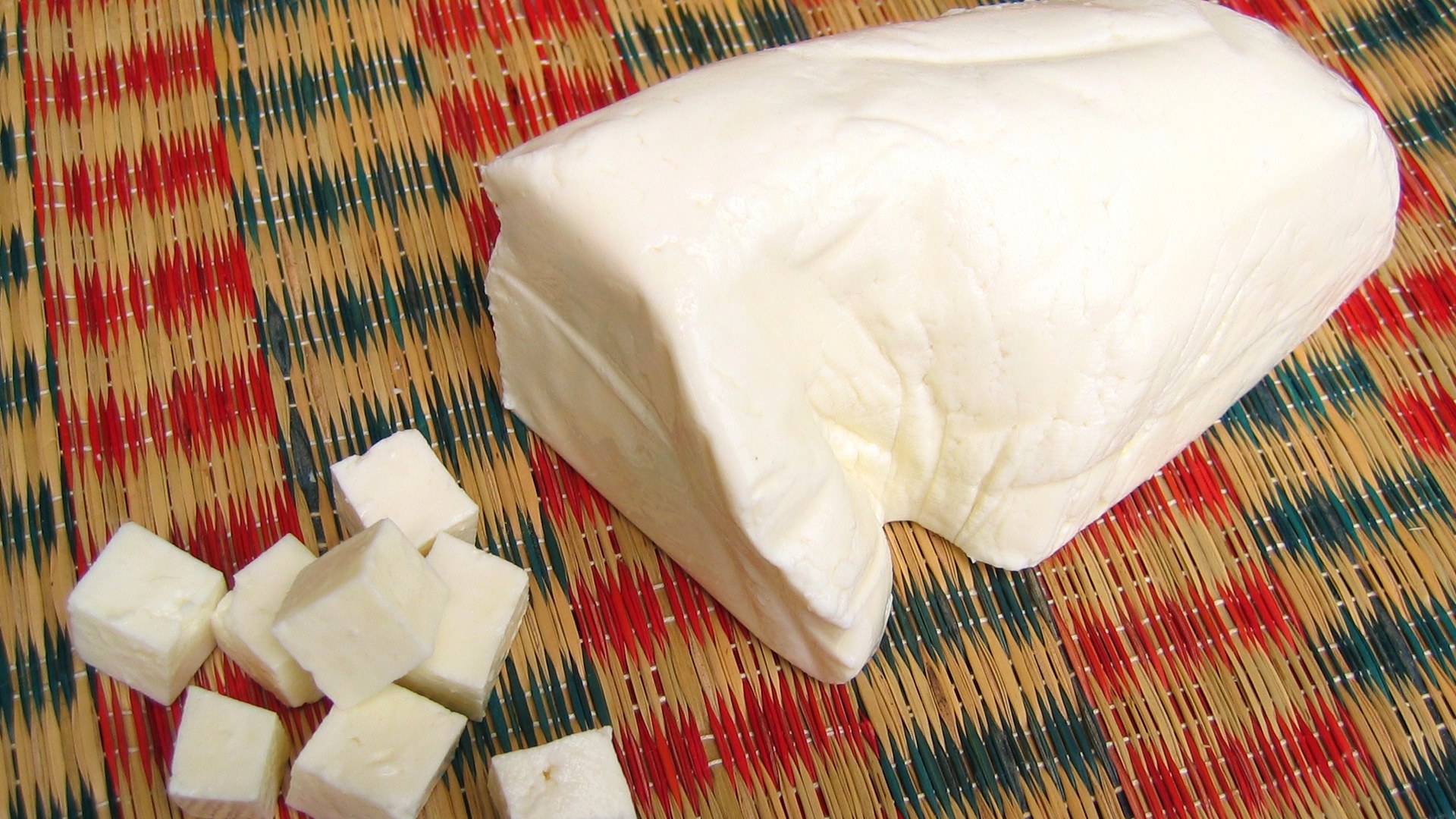
The Food Safety and Standards Authority of India (FSSAI) has issued comprehensive guidelines aimed at strengthening the handling, storage and transportation of perishable food commodities that are vulnerable to rapid deterioration and microbial contamination.
The advisory specifically addresses dairy products including khoa and paneer, along with meat and fish—categories that demand stringent temperature control and hygiene measures throughout their journey from production to retail shelves. The move underscores growing concerns about foodborne illnesses linked to improper storage conditions in India's complex supply chains.
Proper cold chain maintenance emerges as a critical focus area under the new directives. The FSSAI guidelines emphasize the need for adequate refrigeration at every stage, from warehousing facilities to transportation vehicles and retail display units, to ensure these products remain within safe temperature ranges.
The advisory also reinforces existing protocols around packaging standards, hygiene practices for handlers, and documentation requirements to enable traceability. Industry stakeholders including producers, transporters and retailers are expected to align their operations with the updated norms to maintain food safety standards.
The initiative reflects ongoing regulatory efforts to minimize health risks associated with perishable food consumption across India, particularly in urban and semi-urban markets where demand for these products remains consistently high.
Photo: Fresh paneer, Indian cottage cheese, May 2008. Sonja Pauen (Stanhopea) via Wikimedia Commons (CC BY 2.0 DE).