World · World News Bureau
Fukushima water storage levels barely drop despite ocean discharge
The Fukushima Daiichi nuclear plant's treated water reserves have declined by just 7 percent despite ongoing releases into the Pacific Ocean. The minimal reduction underscores the continuing challenge Japan faces in managing the facility's accumulated contaminated water.
LSN World News ·
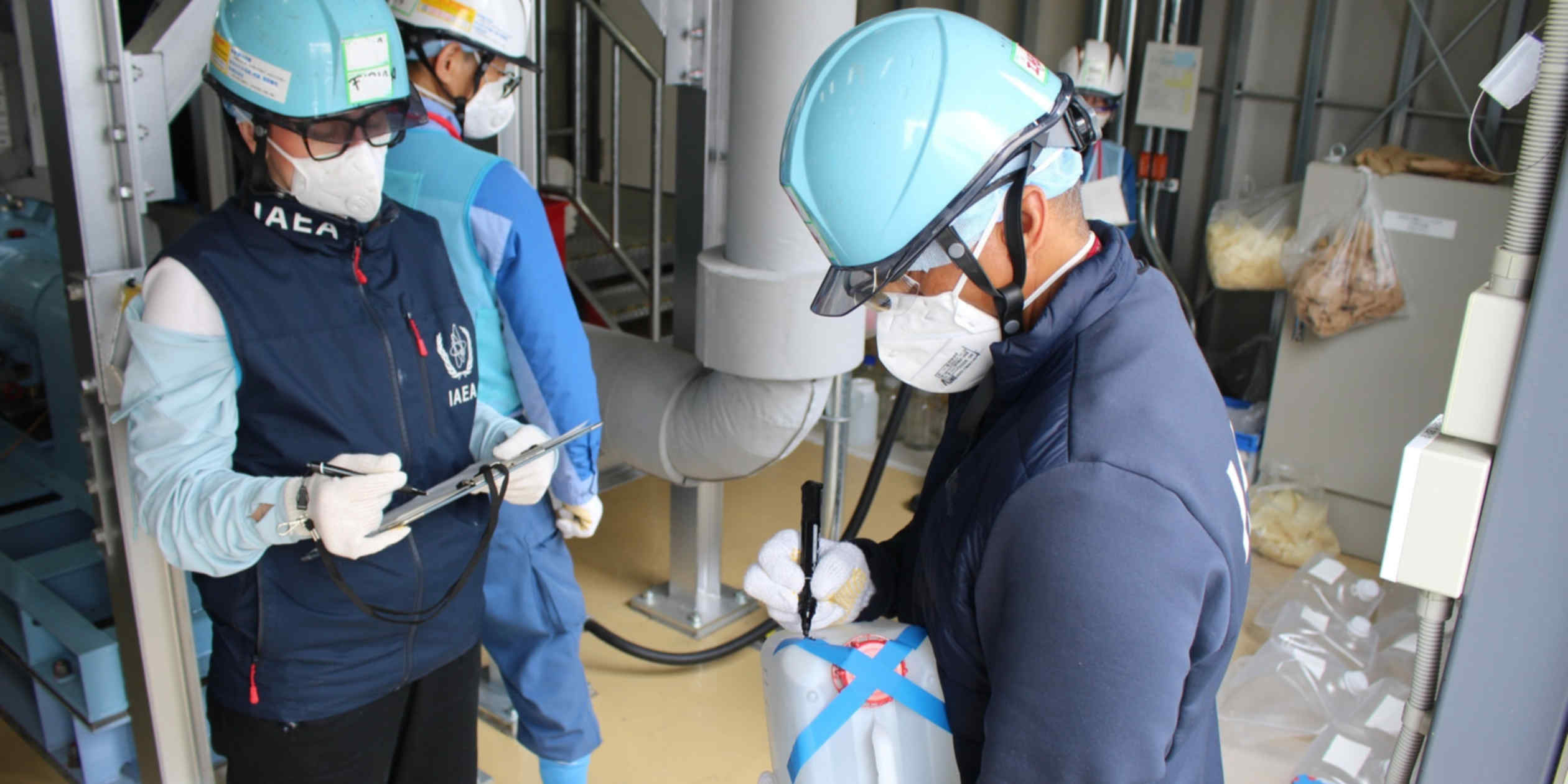
The operator of the crippled Fukushima Daiichi nuclear plant reported that its stored treated water inventory has decreased only marginally despite months of controlled discharge into the sea, highlighting the scale of the decommissioning challenge ahead.
The modest 7 percent reduction in storage levels comes as the facility continues releasing treated radioactive water into the ocean under a controversial plan approved by Japanese authorities. The slow decline in reserves reflects both the vast quantity of water accumulated at the plant since the 2011 disaster and the limited capacity of current discharge operations.
The Fukushima plant has accumulated hundreds of thousands of tonnes of water contaminated during the cooling process following the earthquake and tsunami that devastated Japan's northeast coast. Treatment systems have removed most radioactive elements, though tritium remains present in concentrations that regulators say are safe for ocean release.
The gradual reduction in water stocks has renewed international scrutiny of Japan's approach to managing the decommissioning process. Environmental groups and neighboring countries including China and South Korea have raised concerns about the long-term implications of the discharge program, though Japanese officials maintain the released water meets safety standards.
Plant operators face years of continued storage management and controlled releases as they work to clear the site of accumulated water and move toward full decommissioning.