Business · India Bureau
Funding squeeze widens gap between India's large and small NBFCs
Industry leaders have flagged a growing disparity in access to capital between large and smaller non-banking financial companies, threatening the growth prospects of smaller lenders. The funding challenge comes as NBFCs grapple with intensifying competition and shifting customer expectations.
LSN India ·
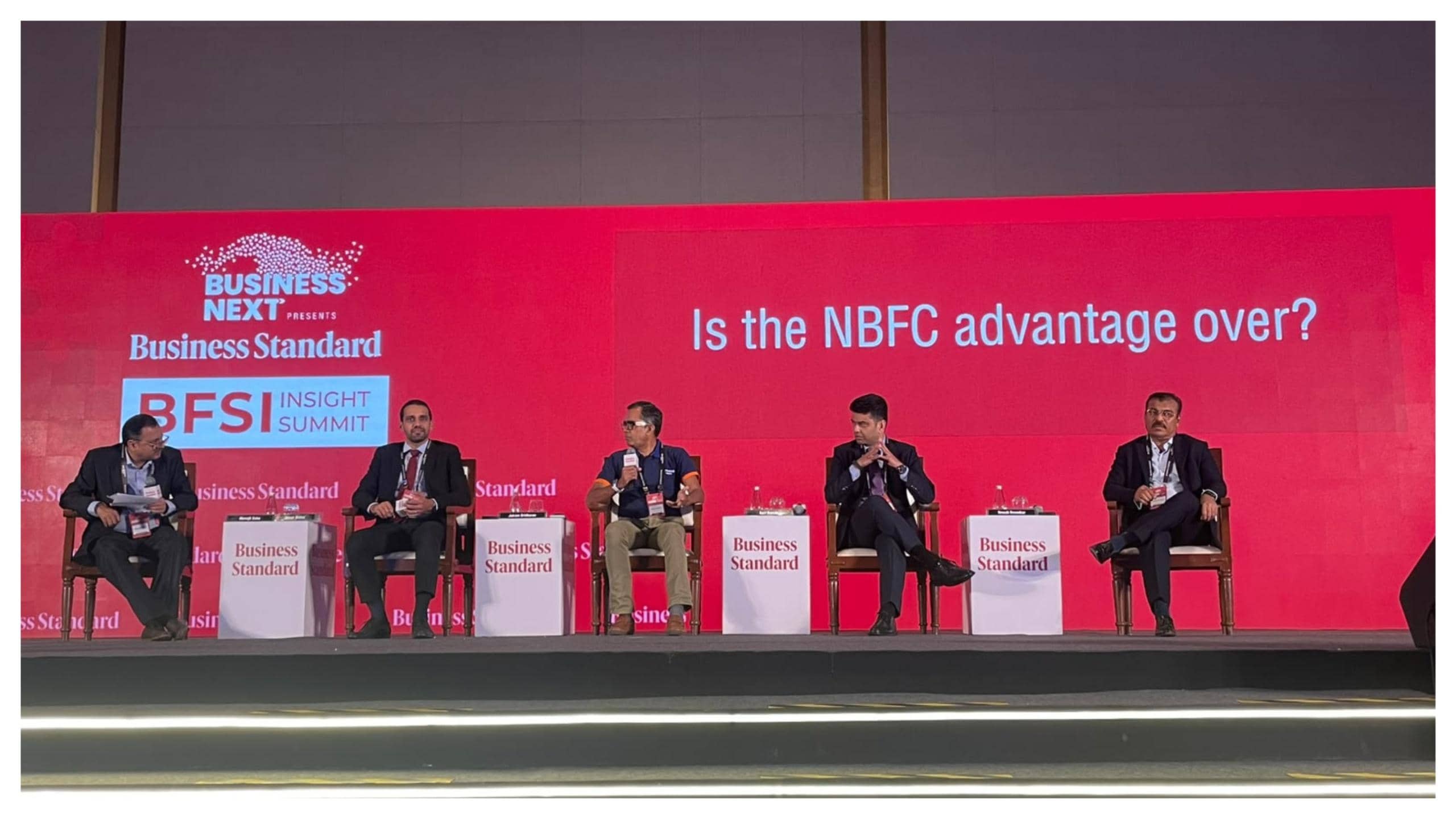
India's non-banking financial sector is facing a widening chasm between well-capitalized large lenders and their smaller counterparts struggling to secure adequate funding, according to executives gathered at the Business Standard BFSI Insight Summit 2026.
The funding gap has emerged as a critical concern as smaller NBFCs find themselves at a competitive disadvantage in an increasingly crowded market. Large lenders, with stronger balance sheets and easier access to capital markets, are able to scale operations and capture market share more rapidly, while smaller players face constraints in mobilizing resources for growth and lending expansion.
Industry participants highlighted that the funding challenge is compounded by evolving customer preferences and macroeconomic uncertainties. As retail and corporate borrowers demand more sophisticated financial products and seamless digital experiences, smaller NBFCs lack the capital depth to invest in technology infrastructure and product innovation at the pace required to remain competitive.
The disparity also reflects broader structural challenges in India's financial system, where credit allocation has increasingly favored larger institutions with established track records and institutional investor backing. Participants at the summit discussed potential policy measures and alternative funding mechanisms that could help level the playing field for smaller lenders and preserve sector diversity.
The funding constraints pose implications for credit availability across underserved market segments, where smaller NBFCs have traditionally played a significant role in reaching borrowers and regions undercut by mainstream banking channels.