Culture & Entertainment · India Bureau
Fungal disease decimated Brazil's Atlantic Forest frogs in early 1980s
A deadly fungus triggered a catastrophic collapse in frog populations across Brazil's Atlantic Forest between 1979 and 1982, according to new research examining preserved specimens. The findings highlight how chytridiomycosis became a major driver of amphibian decline during the late 20th century.
LSN India ·
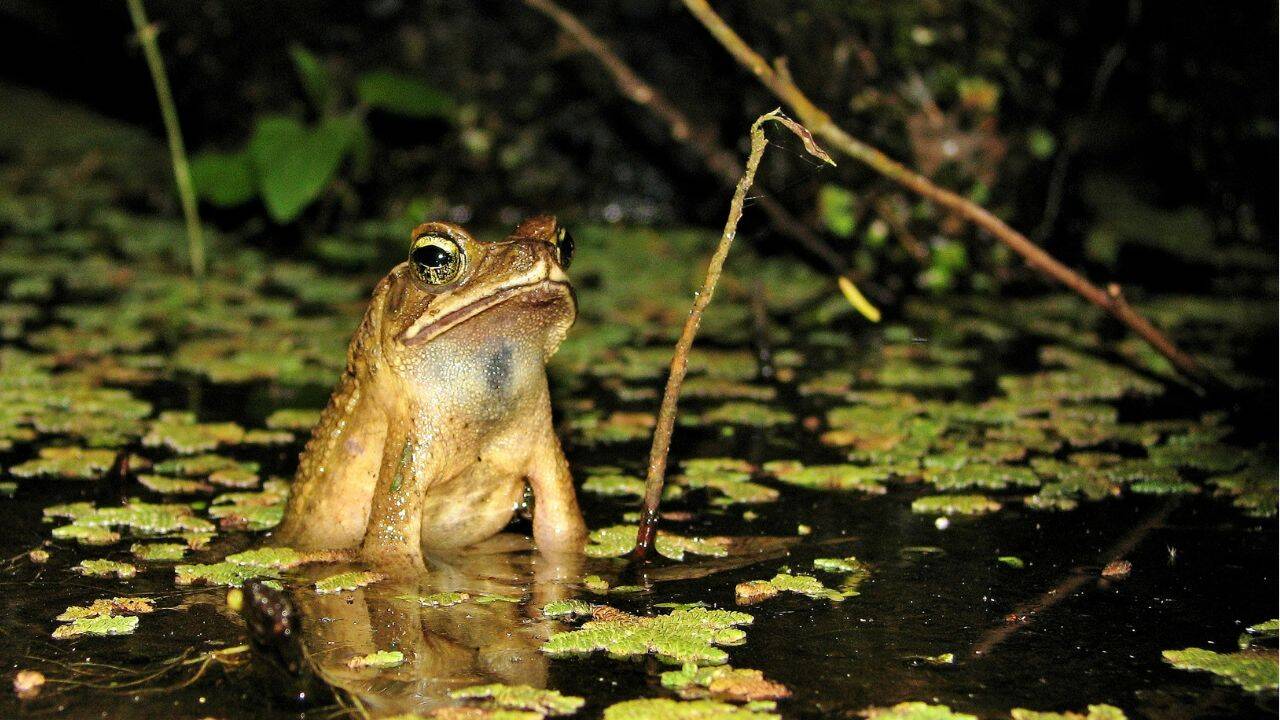
Scientists investigating the mysterious disappearance of frog species from Brazil's Atlantic Forest have identified chytridiomycosis as the primary culprit behind a dramatic population crash that unfolded in the early 1980s. By analyzing museum specimens and historical records, researchers traced the fungal disease's emergence and documented its devastating impact on amphibian communities across the biodiversity hotspot.
Chytridiomycosis, caused by aquatic fungi, spread rapidly through frog populations during the period from 1979 to 1982, coinciding with substantial species declines documented in the region. The fungal pathogen attacks the skin of frogs, disrupting their ability to regulate moisture and nutrients, ultimately proving fatal for susceptible species. The Atlantic Forest, one of the world's most biodiverse regions, proved particularly vulnerable to the disease's spread.
The research methodology involved examining preserved frog specimens to detect traces of the fungus and establish the timeline of infection. This approach allowed scientists to reconstruct the historical progression of the disease outbreak and confirm its role in the broader amphibian extinction crisis that has affected tropical ecosystems globally.
While some frog species demonstrated varying degrees of resistance to chytridiomycosis, researchers cautioned against generalizing survival patterns across populations. The findings underscore the complexity of fungal-driven amphibian declines and the challenges in predicting which species might withstand future outbreaks. Conservation experts emphasize the need for continued monitoring and targeted protection strategies for vulnerable frog populations.