World · India Bureau
G20 nations could save $90 billion annually by shifting travel patterns
A new analysis suggests that Group of Twenty economies could dramatically reduce oil consumption and transportation emissions through increased carpooling, public transit use, and remote work arrangements. The measures could also significantly strengthen energy security across member nations by 2050.
LSN India ·
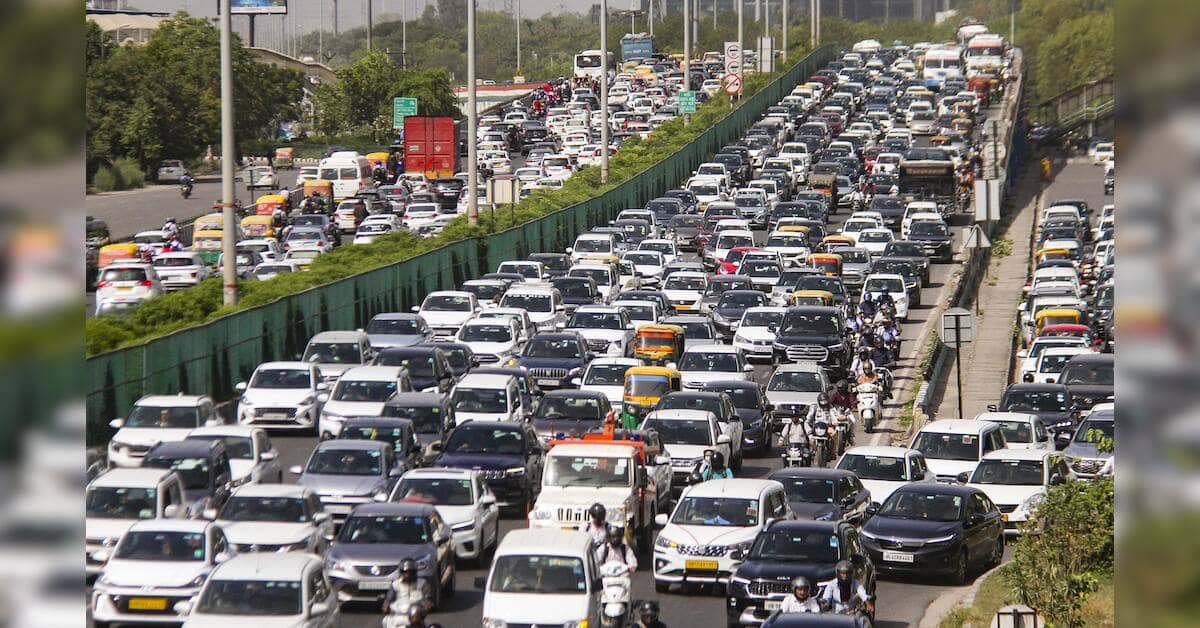
Adopting widespread changes to passenger transport behaviour could deliver substantial economic and environmental benefits to G20 nations, according to research from the Council on Energy, Environment and Water. The study indicates that shifting travel patterns—through greater adoption of carpooling, expanded bus networks, and hybrid work models—could reduce annual oil expenditure by approximately $90 billion while simultaneously cutting transport-related carbon emissions.
The projected emissions reductions are substantial, with potential cuts ranging from 408 to 538 million tonnes of CO2 annually through these behavioural and infrastructure changes. Such figures underscore the scale at which transport sector modifications could contribute to global climate mitigation targets while delivering immediate financial benefits to energy-importing economies.
Beyond direct cost savings, the research highlights how reduced petroleum dependence through transport transformation could enhance energy security across G20 members. By decreasing reliance on oil imports for passenger transport, nations could insulate themselves from volatile energy markets and geopolitical disruptions to energy supply chains.
The findings suggest that achieving these outcomes requires coordinated policy interventions spanning urban planning, workplace policies, and public transport investment. Implementation challenges remain significant, particularly in developing economies where public transit infrastructure requires substantial capital investment and where commuting patterns are deeply entrenched.