World · World News Bureau
Gambian Magistrate's Decade-Long Challenge to Judicial Accessibility
Muhammed Krubally's career as The Gambia's first blind magistrate has exposed systemic barriers while demonstrating the viability of inclusive judicial systems. His decade of service highlights both achievements and persistent obstacles to disability inclusion in West African legal institutions.
LSN World News ·
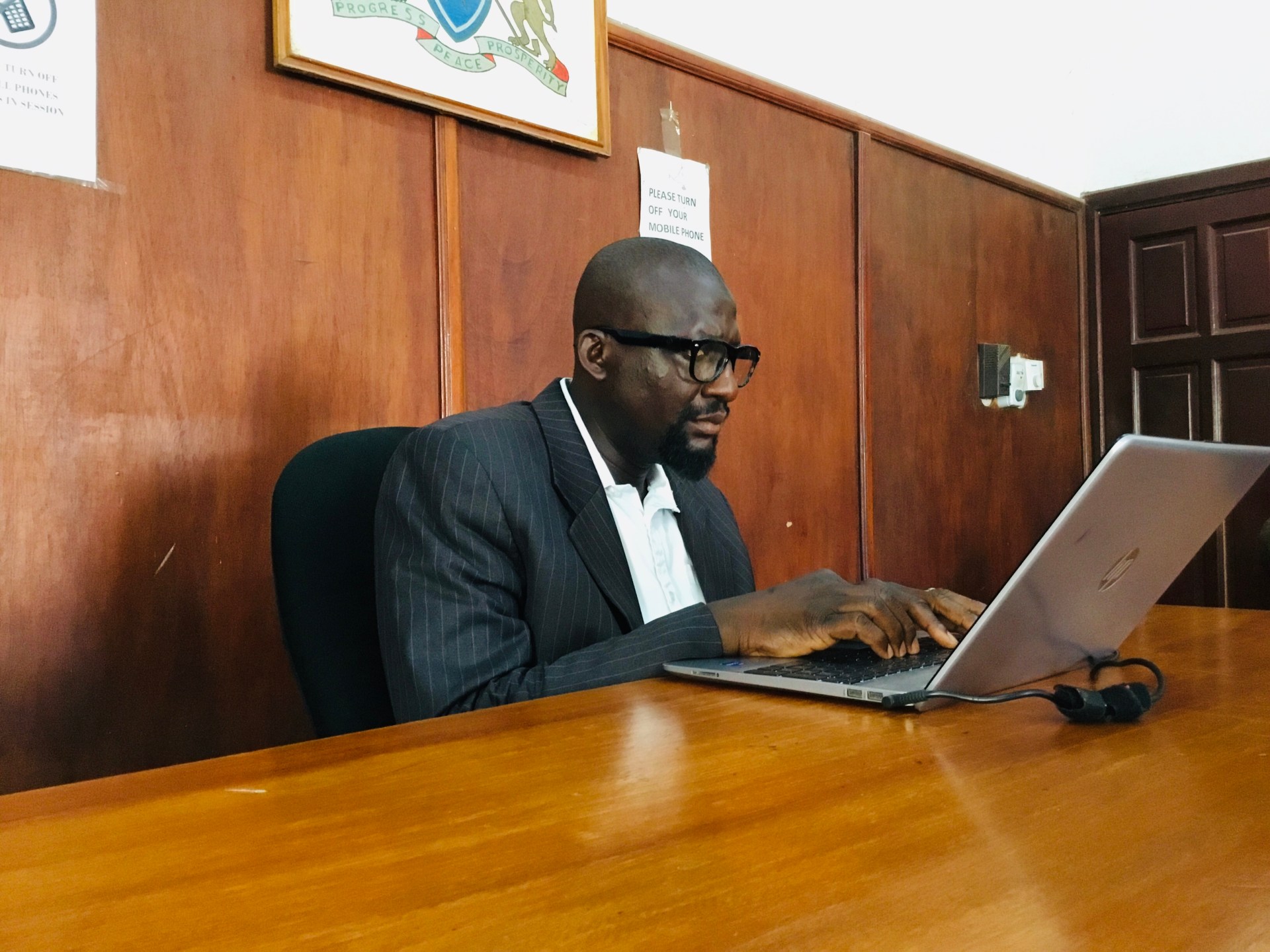
Muhammed Krubally assumed his position as The Gambia's first blind magistrate approximately ten years ago, becoming a pioneering figure in judicial accessibility for West Africa. Throughout his tenure, Krubally has navigated a legal system fundamentally designed for sighted professionals, requiring constant adaptation and creative problem-solving to execute his judicial responsibilities effectively.
His experience has illuminated critical gaps in institutional infrastructure and procedural frameworks that fail to accommodate judges with visual impairments. Courtroom layouts, documentation systems, and case file management processes present ongoing challenges that underscore the disconnect between modern accessibility standards and existing judicial operations in the region.
Despite these obstacles, Krubally's successful tenure demonstrates that blindness need not preclude competent judicial service. His work has catalyzed broader conversations about disability inclusion within The Gambian legal system and raised awareness regarding necessary structural reforms.
The magistrate's decade in office serves as both a validation of judicial competence beyond visual ability and a detailed case study in systemic inequality. His continued service remains contingent on individual determination rather than institutional accommodation, suggesting that meaningful progress requires comprehensive policy reform rather than reliance on individual perseverance alone.