Politics · India Bureau
Gandhi's 1922 civil disobedience plea resonates as Delhi detains protesters
Youth demonstrators advocating non-violent resistance have been detained in the national capital amid an intensified security presence. Their actions echo Mahatma Gandhi's historic courtroom defence of passive resistance a century ago.
LSN India ·
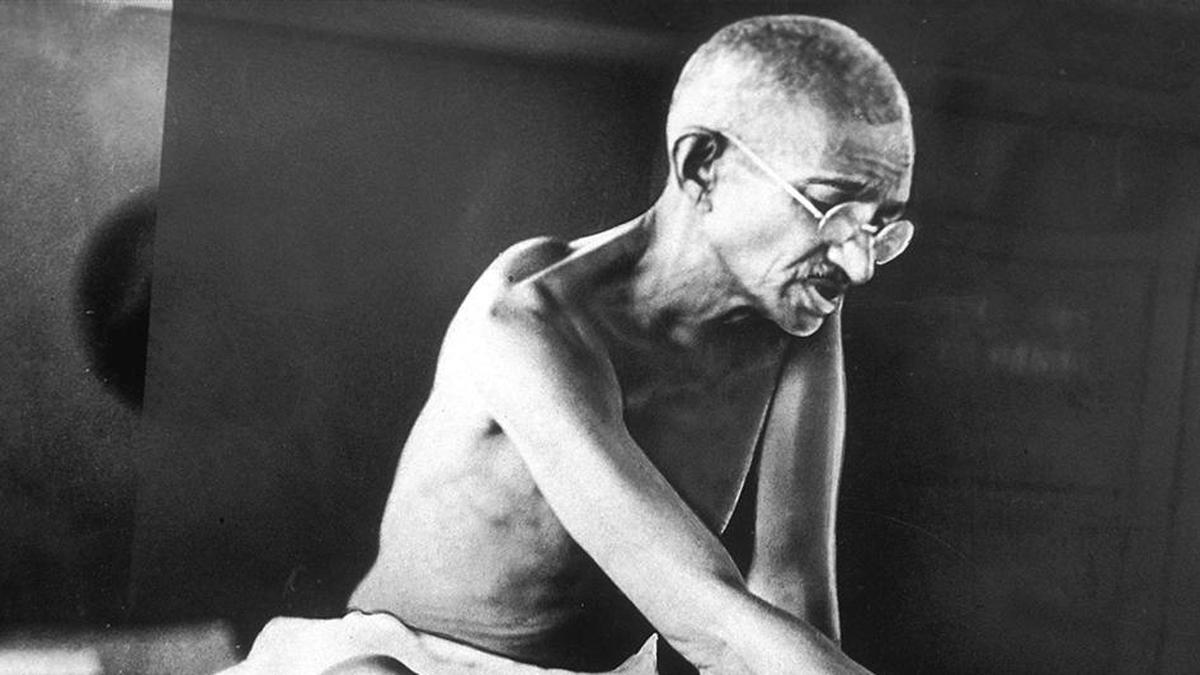
Echoes of Mahatma Gandhi's principled stand against British colonial rule have surfaced anew in Delhi, as security forces have detained youth protesters calling for non-violent resistance. The detentions come as the national capital experiences a significant buildup of security personnel, creating a charged atmosphere reminiscent of India's independence struggle.
The protesters have explicitly chosen the path of passive resistance as their means of demonstration, invoking the philosophy that Gandhi articulated during his 1922 court appearance. In that historic statement, the Mahatma defended civil disobedience as a moral imperative against unjust systems—a principle that continues to inspire non-violent activism across generations.
The detention of these young demonstrators underscores the ongoing tension between state authority and citizens exercising their right to peaceful protest. Security officials have maintained their presence throughout Delhi as the situation develops, while the protesters remain steadfast in their commitment to non-violent means of expression.
The parallel drawn between contemporary protest movements and Gandhi's landmark courtroom defence highlights how the Mahatma's legacy continues to inform dissent and resistance in modern India. As these detentions proceed, questions linger about the space afforded to peaceful, principled protest in the nation's capital.